


Share This Article
Table of Contents
For those seeking to enhance their home with inviting seating, crafting a floor cushion is an ideal DIY task. These versatile accessories are perfect for providing extra spots for guests in the lounge, creating a soft nook in a playroom, or adding a touch of style to your sleeping area. This detailed walkthrough covers everything required to produce a custom DIY floor cushion, from necessary tools to specific assembly steps. By following these instructions, you will create a high-quality cushion that balances aesthetic appeal with practical comfort.

Required Supplies and Tools
Before beginning, assemble the following items. Selecting the right materials is crucial for a finished product that is durable, plush, and easy to clean.
- 2 yards of fabric: To achieve a personalized look, consider using contrasting patterns for the top and bottom. This tutorial utilizes 1 yard of Covington Kantha Surf for the upper side and 1 yard of Premier Prints solid village blue for the reverse.
- 2 yards of featherproof ticking fabric: This specialized material serves as an internal barrier to keep the pillow filling contained.
- A 27-inch upholstery zipper: While not strictly mandatory, adding a zipper allows for easy removal of the insert for future maintenance.
- A ruler or measuring tape: Essential for ensuring your fabric dimensions are precise.
- Thread: Choose a color that complements your selected fabrics.
- Scissors: High-quality fabric shears for clean cuts.
- A fabric marker: To clearly outline your cutting paths on the material.
- Ballpoint pins: These will secure your fabric layers during the sewing process.
- A 32-inch down pillow form: A premium insert is the key to achieving the desired level of plushness and support.
- An iron: Used to flatten seams and create crisp, professional-looking edges.
Comprehensive Sewing Tutorial
Construct a custom, cozy seat using our DIY floor cushion instructions. We will guide you through every phase, from initial measurements to the final stuffing of the insert!
1. Sizing and Cutting Your Material
The initial phase involves measuring and cutting the pieces for both the decorative outer shell and the protective inner lining.
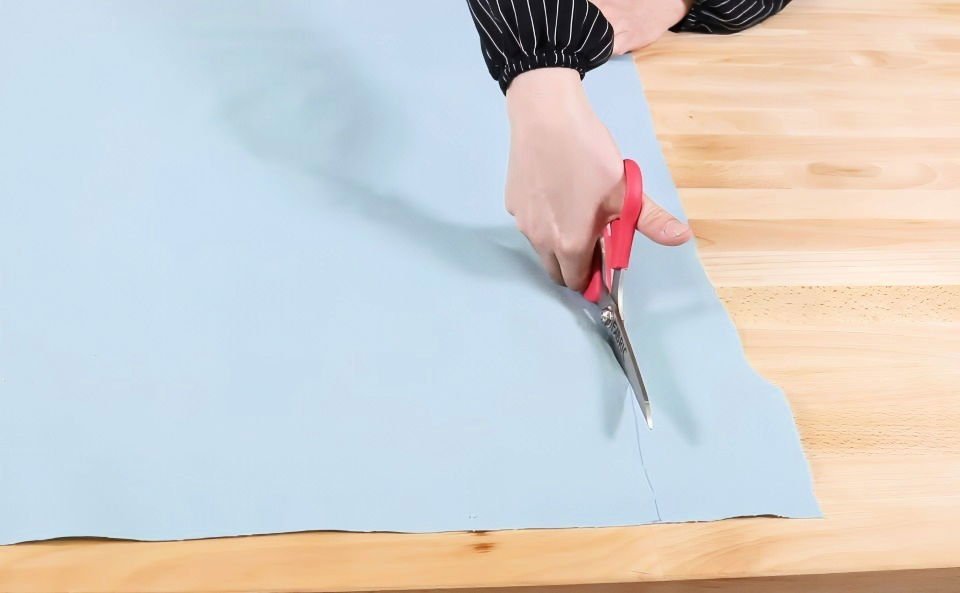
- On the reverse side of your decorative fabrics, mark out a square measuring 31 x 31 inches. Cutting the cover slightly smaller than the 32-inch insert ensures the final cushion looks plump and well-filled.
- Repeat these measurements on the featherproof ticking fabric. You should end up with two ticking squares that match the size of your outer panels.
2. Folding the Zipper Seams
Now, prepare the fabric edges where the zipper will be installed. This feature is vital for anyone who wants to wash the cover or update the insert later on.
- Fold back approximately ½ inch on one side of both the decorative and ticking fabrics. Use your iron to press these folds firmly, creating a sharp, straight edge for the zipper attachment.
3. Installing the Zipper Component
Incorporating an upholstery zipper is a smart choice for long-term utility. It transforms the cushion into a maintainable piece of furniture rather than a permanent sealed unit.
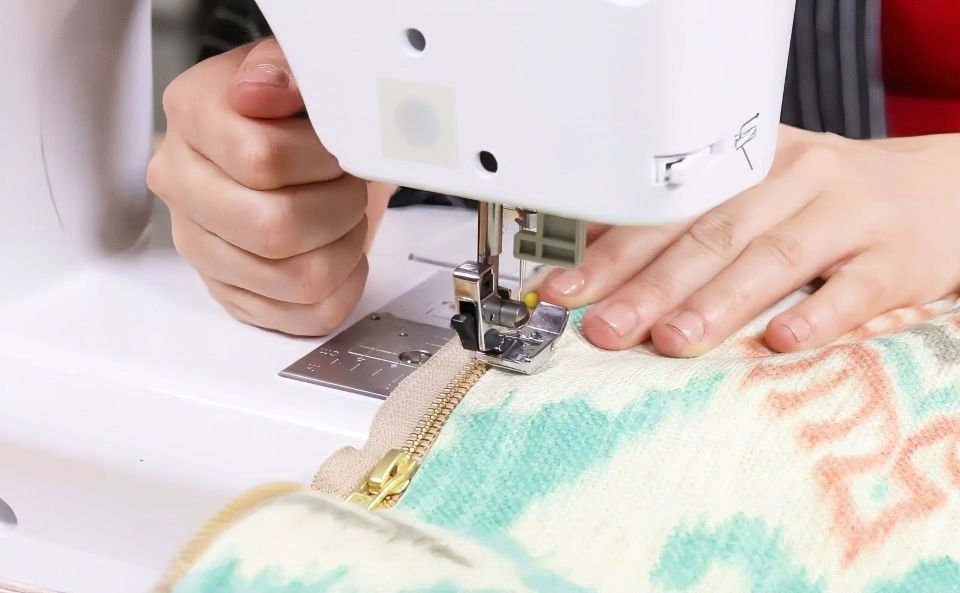
- Sandwich the zipper between the two pressed edges, ensuring it is perfectly centered along the length of the fabric.
- Open the zipper slightly and use pins to hold it in place against the fabric edges, checking for proper alignment.
- Equip your machine with a zipper foot to allow for stitching close to the teeth. Using a 1/8-inch seam allowance, sew along the zipper from top to bottom. Always remember to backstitch at both ends to prevent the thread from unraveling.
- Perform the same steps to secure the second side of the zipper to the remaining fabric panel.
4. Assembling the Main Cover
With the zipper successfully attached, you can now move on to joining the rest of the cushion panels.
- Place the fabric pieces with their right sides touching, folding the assembly along the zipper line. This orientation ensures the “pretty” side of the fabric is protected inside during sewing.
- Pin the three remaining open sides together, starting from the zipper base and moving around the perimeter.
- Sew the edges using a ½-inch seam allowance. Crucially, leave the zipper partially unzipped so you can turn the cover right-side out once the stitching is complete.
5. Securing the Edges
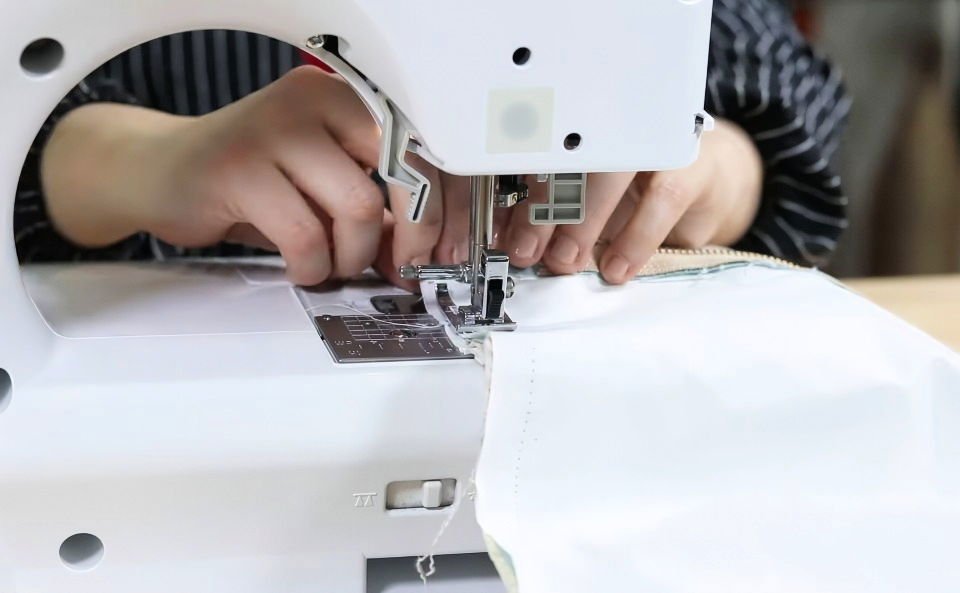
Applying a zig-zag stitch to the raw edges will stop the fabric from fraying and increase the overall lifespan of your project.
- Run a zig-zag stitch along the seam allowance on all three sewn sides. This finishing touch adds structural integrity and keeps the inside of the cushion looking tidy.
6. Trimming the Corner Bulk
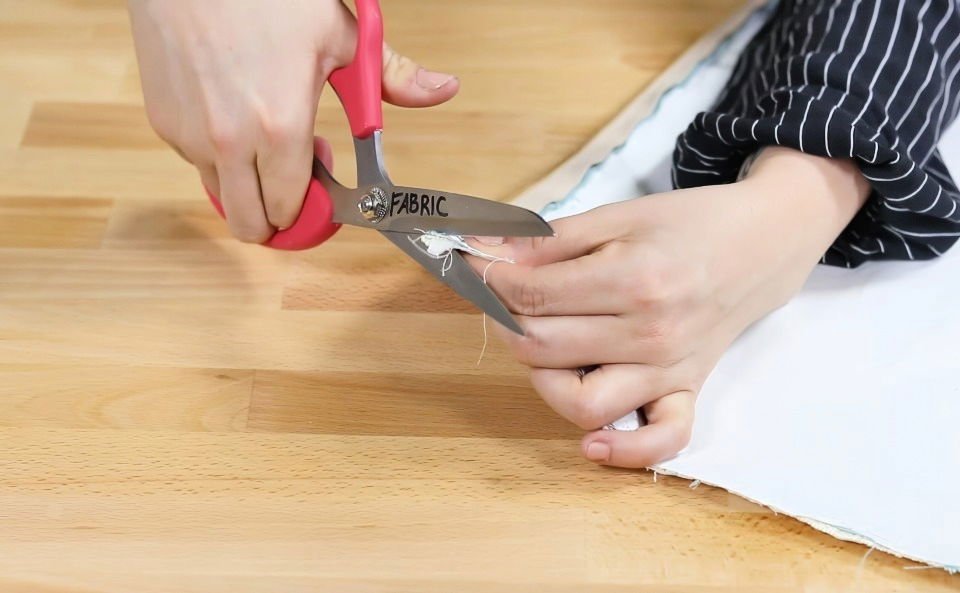
To ensure the cushion has sharp, defined corners, you must remove excess fabric from the interior angles.
- Carefully snip the corners at a diagonal, taking care not to cut through your stitch line. This allows the corners to point outward correctly when the fabric is turned.
7. Inverting the Fabric
It is now time to reveal the finished exterior of your cover. Thanks to the partially open zipper, this step is straightforward.
- Reach through the opening and pull the fabric through to the right side. Once inverted, use a blunt tool—like a chopstick or the end of a paintbrush—to gently push the corners into crisp points.
8. Stuffing the Cushion
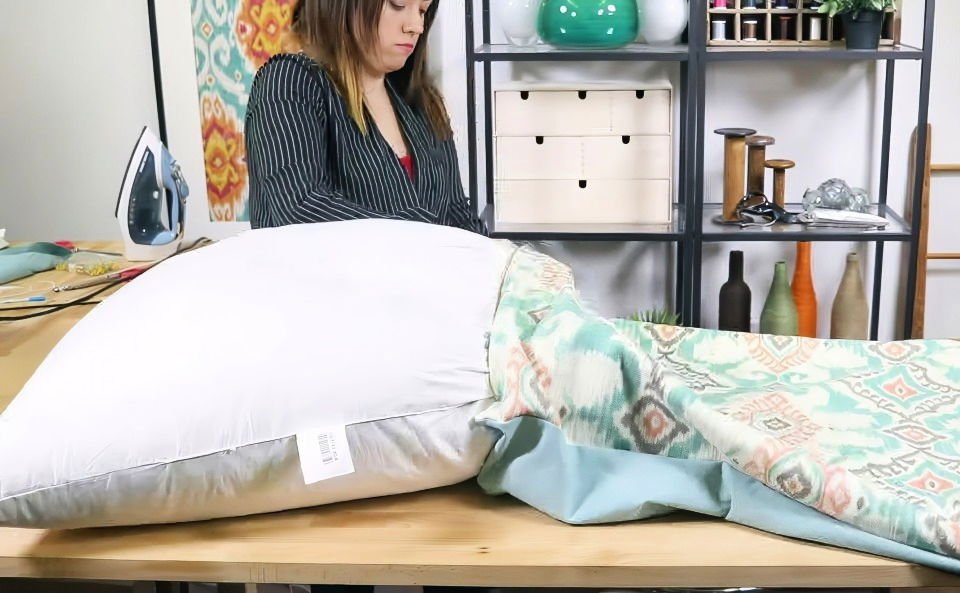
The final assembly step involves placing the down pillow form inside your newly sewn cover.
- Slide the pillow insert into the cover, maneuvering it so that the corners are fully occupied. Once the insert is positioned correctly, pull the zipper shut.
9. Using Your Finished Creation
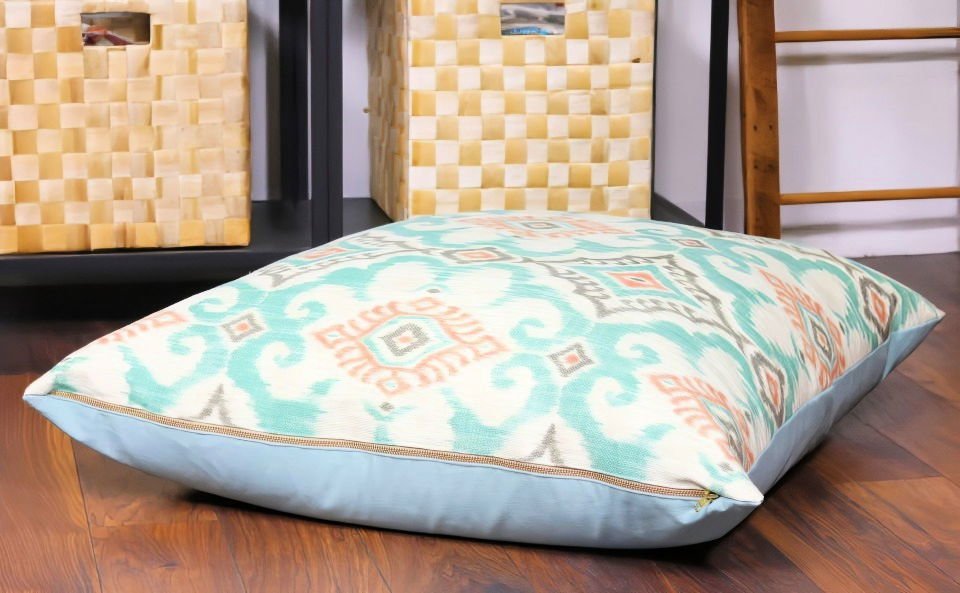
Well done! You have successfully completed your DIY floor cushion. This piece is remarkably adaptable; use it for lounging during movie nights, as extra seating for visitors, or as a decorative accent in a child’s room. Because you included a zipper, you have the flexibility to swap the cover or refresh the internal padding whenever you choose.
Creative Ways to Personalize Your Project
- Selecting Fabrics: The joy of DIY is total creative control. Consider clashing patterns for a bohemian vibe or heavy-duty canvas for a more rugged, long-lasting seat. Upholstery-grade fabrics are excellent choices for high-traffic areas.
- Alternative Fillings: While a down pillow form offers a classic feel, you might prefer a stiffer seat. High-density foam blocks or loose polyester fiberfill are great substitutes for a more structured look.
- Adding Decorative Trim: For a high-end finish, try sewing piping or fringe into the seams. This adds a level of sophistication that mimics expensive boutique home decor.
Keeping Your Cushion in Top Condition
Adding a zipper makes maintaining your floor cushion simple. Follow these suggestions to ensure your cushion stays fresh for years:
- Launder the Cover: Whenever the exterior looks soiled, simply unzip and remove the cover for washing. Always refer to the specific washing requirements for the fabric you selected.
- Regular Fluffing: Down inserts can lose their loft over time. Periodically shaking and fluffing the cushion will help it regain its original shape. If it eventually stays flat, the insert can be easily replaced.
- Proper Storage: When not being used, keep the cushion in a dry environment to protect the fibers and prevent any musty odors or unnecessary wear.
Concluding Remarks
Building your own floor cushion is a satisfying endeavor that merges artistic expression with home utility. Regardless of your sewing experience level, this guide offers a clear path to creating a functional piece of decor that enhances any room. The ability to maintain and update the cushion ensures it will remain a staple in your home for a long time.
By sticking to these steps, you’ll produce a handcrafted cushion that serves as a testament to your sewing skills. Enjoy the comfort of your new, custom-made seat!
Common Questions Regarding Floor Cushions
Find answers to the most frequent queries about making DIY floor cushions! Discover professional advice on materials and construction techniques for a successful project.
How do I determine the right size for the cushion cover?
To ensure your cushion looks full, cut the fabric squares 1 to 2 inches smaller than the pillow form. This will make the cushion appear plush without being too tight or flat. Avoid making the cover larger than the pillow, as this can result in a droopy look.
Do I have to use a zipper?
No, if you don’t have a zipper foot or prefer a simpler method, you can make an envelope-style closure. This involves overlapping fabric on the back to make an opening, which eliminates the need for a zipper.
What is ticking fabric, and do I need it?
Ticking fabric is used to prevent feathers from poking through if you’re using a down pillow insert. It’s tightly woven and designed to keep the filling contained. If you’re using synthetic or foam inserts, ticking isn’t necessary, but it’s a good precaution for feather inserts.
What if I don’t have a sewing machine?
While a sewing machine speeds up the process, you can hand sew the cushion using strong thread and a backstitch for durability. Just ensure your seams are secure, especially around the edges, to prevent unraveling with use.
Can I wash the cushion cover?
Yes, if you’ve included a zipper or used an envelope closure, the cover is easy to remove and wash. Always check the care instructions for your specific fabric to ensure it’s safe to launder.


