


Table of Contents
Embarking on a creative journey can feel intimidating, but discovering how to sew a quilt is much more manageable than you might imagine. I vividly recall my initial attempt at handling a needle and fabric, feeling unsure of the path ahead. Gradually, by focusing on one step at a time, I mastered the fundamentals as the project took shape. Eventually, quilting evolved into a soothing, fulfilling practice that allowed me to produce something both meaningful and enduring.
I’ve always loved sewing a quilt, and my latest project cost me just $14. People keep asking where I bought it, and that’s my favorite kind of project. There’s something special about creating something with your own hands. I’ve been sewing for years, and it’s a skill that’s served me well. I can make gifts, decorate my home, and even sell my creations.
I remember my dad always fixing things instead of replacing them. That mindset is baked into me now, and I genuinely can’t throw something away without at least attempting a repair. It’s a habit that’s saved me money and taught me the value of patience. Sewing a quilt is no different – it takes time, but the end result is well worth it.
Sewing a quilt is a great way to relax and express your creativity. You can choose your favorite fabrics, patterns, and colors to create a unique piece of art. It’s a project that requires patience, but the end result is so satisfying. You’ll have a beautiful quilt to keep you warm and cozy, and you can be proud of yourself for making it.

Today, I am eager to pass on these insights so that you can begin your own quilting adventure. Whether you are aiming for a straightforward project or a complex arrangement, these pointers will help navigate the journey. Quilting is deeply rewarding, and by adhering to these instructions, you will see just how accessible it is to start. I am here to guide you through the process.
Why Quilting? The Essence Behind the Craft
Before we dive into the technicalities, I want to explain why quilting resonates so deeply with me. Beyond being a simple pastime, quilting acts as a meditative practice that overflows with creative potential. Every textile I choose tells a chapter of my personal story, and the finished result does more than provide warmth; it surrounds me with cherished memories.
Materials Needed: The Essentials for Quilting
Launching a quilting project demands that you assemble specific supplies. Investing in the right materials is the foundation of a successful project, so here is a breakdown of the items you need and why each is vital:
- Fabric: You will require various textiles for the quilt’s top layer. Selecting quality fabric ensures your work is both long-lasting and beautiful. I suggest using 100% cotton for its pleasant texture and ease of use.
- Batting: This serves as the middle insulating layer for warmth. You can choose from materials like wool, polyester, or cotton. I personally prefer cotton batting for its natural feel and lightweight properties.
- Backing Fabric: This is the underside of your quilt. It should harmonize with your overall aesthetic. I typically opt for a single-colored, solid fabric to maintain a sleek, polished appearance.
- Sewing Machine: While it is possible to quilt by hand, a sewing machine will significantly increase your efficiency. Verify that your machine is capable of handling quilting fabrics and specific threads.
- Rotary Cutter and Cutting Mat: These tools are essential for achieving precise fabric cuts, which is necessary for a well-assembled, balanced quilt.
- Quilting Ruler: A transparent ruler featuring clear grid markings is vital for ensuring your fabric pieces are cut with total accuracy.
- Pins or Clips: These are used to keep your fabric segments aligned during the sewing process. I recommend using quilting pins, as their extra length makes them much easier to manage.
- Thread: Opt for specialized quilting thread, which offers superior strength and comes in a wide array of hues. Coordinate it with your fabric for a professional, seamless look.
- Iron and Ironing Board: Pressing your seams as you construct the quilt makes sewing simpler and ensures crisp, clean edges throughout.
Step by Step Instructions
Discover how to sew a quilt using our straightforward, step-by-step instructions, designed to be accessible for novices and seasoned quilters alike.
Step 1: Planning Your Quilt
The first phase of quilting involves design and planning. Take some time to select colors and patterns that spark emotion or bring back memories. For my own project, I chose shades that reminded me of my childhood in the countryside, resulting in a design full of nostalgia.
- Draft Your Design: Sketching out your layout helps you visualize the final product and provides a clear roadmap. Utilize graph paper or a digital design program to map out your vision accurately.
Step 2: Cutting Your Fabric
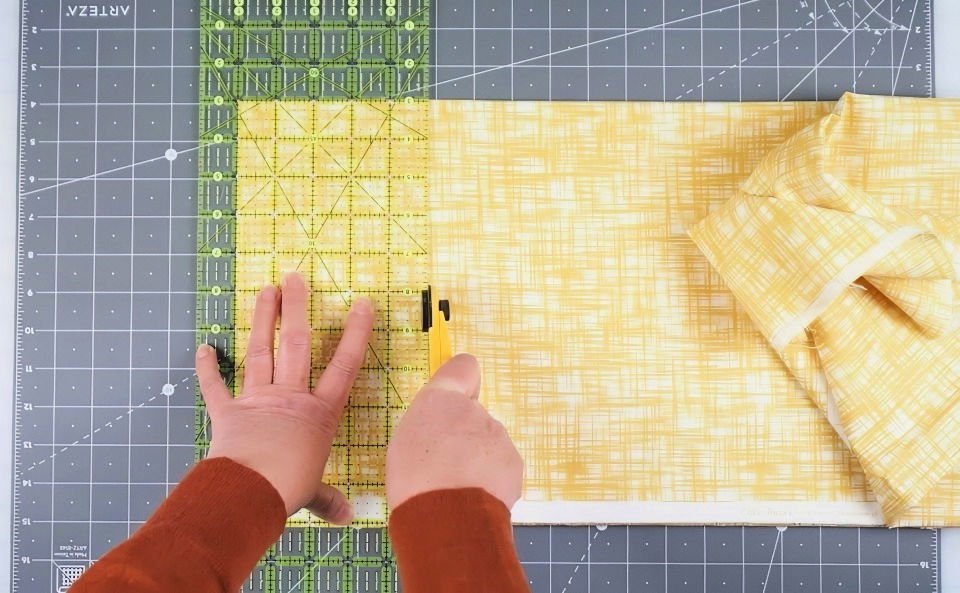
Once your design is finalized, it is time to cut your fabric into the necessary shapes. This phase demands patience and a keen eye for detail.
- Measure Twice, Cut Once: Always double-check your dimensions to prevent frayed edges and unnecessary waste. I find this precise work to be quite enjoyable, as it creates the foundation upon which the entire quilt is built.
Step 3: Assembling the Quilt Top
Now, it is time to bring your vision to life by stitching the fabric segments together according to your plan:
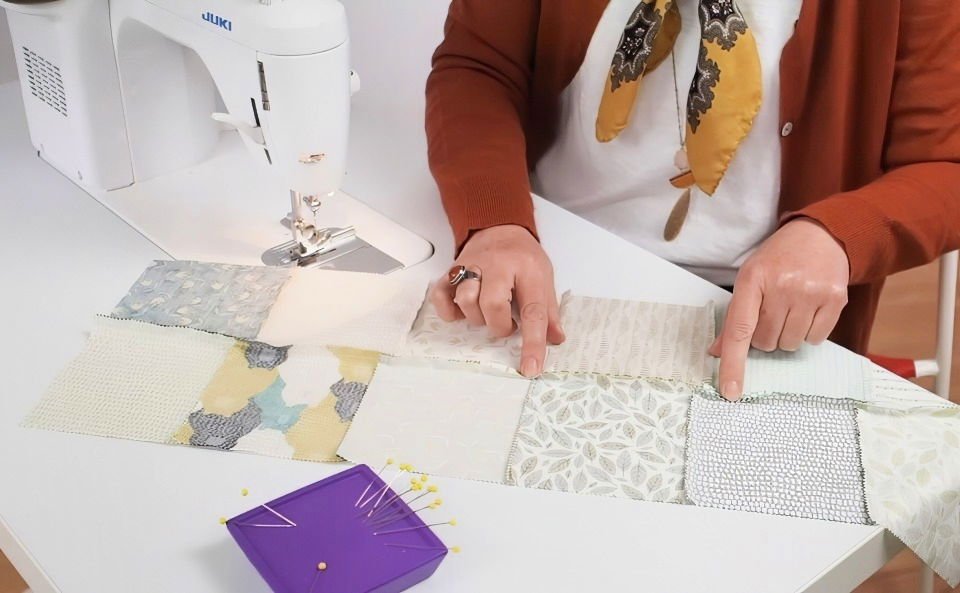
- Organize Your Pieces: Lay out your fabric segments in the exact order they will be stitched. This visual preparation helps avoid potential errors.
- Sew and Press Seams: Use your sewing machine to join the pieces, ensuring you press the seams flat after completing each row. This attention to detail creates a crisp, professional finish.
Step 4: Adding the Batting and Backing
Quilting is essentially a layering process. Integrating the backing and batting is essential for stability and comfort.
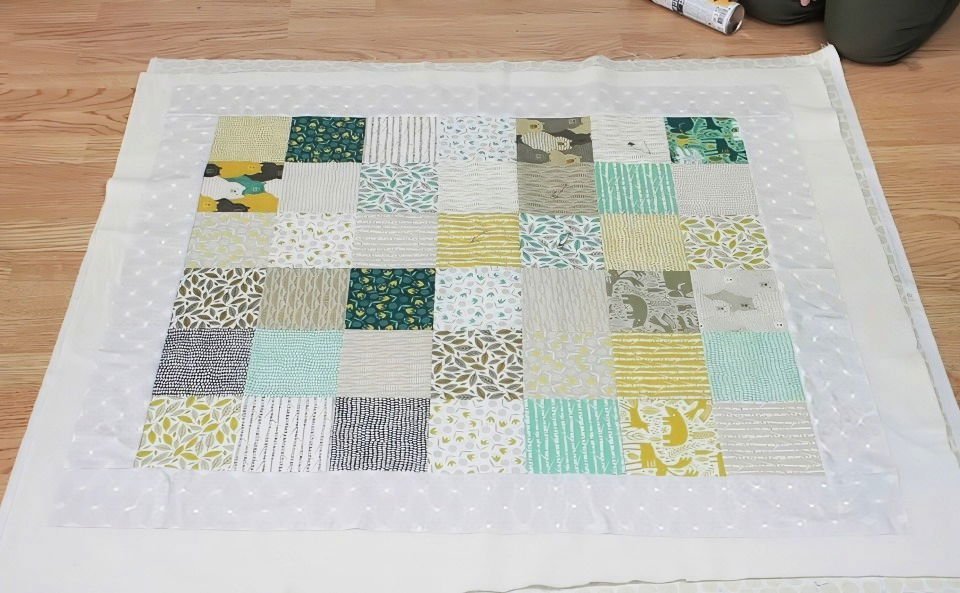
- Layering the Quilt Sandwich: Place your backing fabric face-down, then position the batting and the quilt top on top. Smooth out all layers carefully to ensure there are no wrinkles during the sewing phase.
- Baste the Layers: Use temporary pins or clips to secure the layers so they do not shift. While this step requires precision, it is vital for achieving even, consistent quilting.
Step 5: Quilting the Layers
This phase adds texture and depth, transforming your quilt into a three-dimensional creation.
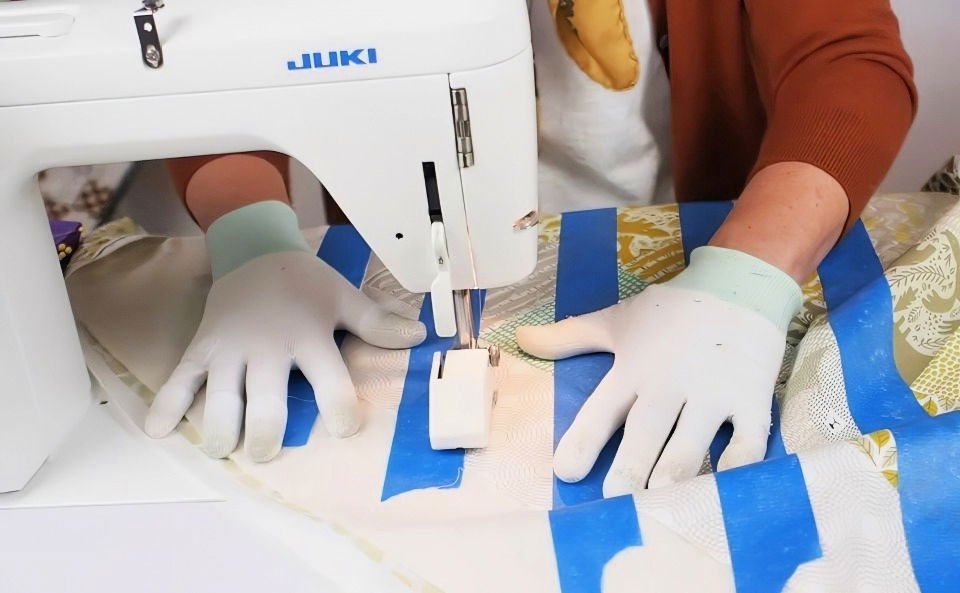
- Choose a Quilting Pattern: The complexity of your pattern should match your current skill set. Straight-line quilting is perfect for those just starting, whereas seasoned quilters might opt for more decorative, complex motifs.
- Sew the Quilt: Methodically stitch through the layers following your chosen design. This is my favorite part of the process, as it turns the fabric assembly into a functional work of art.
Step 6: Binding the Quilt
Binding serves as the final flourish, providing a polished and professional edge to your project.
- Cut and Prepare Binding Strips: Select a fabric that coordinates with your quilt design to create your binding strips. Press and fold them into double-fold bias strips for maximum durability.
- Attaching the Binding: Stitch the binding to the quilt’s front, then wrap it around to the back and secure it with a needle or machine. I personally find hand-stitching the binding in a quiet space to be an incredibly relaxing, rhythmic experience.
FAQs About Sewing a Quilt
Find answers to frequently asked questions regarding quilting, covering everything from selecting the right fabric to mastering stitching techniques and final finishes.
1. How do I choose the right batting for my quilt?
Your choice of batting depends on the level of warmth, loft, and drape you prefer. Take into account your local climate, the quilt’s intended use, and your personal taste regarding weight. Common types include wool, cotton, polyester, and various blends. It is worth researching the unique qualities of each to determine which is best for your specific project.
2. What’s the easiest way to baste a quilt?
Spray basting is a popular, time-saving method that uses adhesive spray to keep layers temporarily aligned. Pin basting is another reliable technique, utilizing safety pins to hold the sandwich together. Alternatively, thread basting involves hand-stitching long, loose stitches across all layers to secure them.
3. How do I fix puckers or wrinkles in my quilt after quilting?
If you notice wrinkles or puckers, try carefully steaming the area with an iron to help the fabric relax. Be careful not to press the iron directly onto the quilt, as this can compress the batting. If steaming fails, you may need to gently unpick the affected stitches and smooth the fabric before re-quilting.
4. What are some creative ways to finish the edges of my quilt?
Beyond standard binding, consider using facing, which involves attaching a fabric strip to the back and folding it toward the front. You might also experiment with flange binding, which introduces a decorative ruffle or accent edge. For a unique touch, try incorporating decorative stitching or adding embellishments like ribbon or lace.
5. How can I ensure my quilt lasts for years to come?
Proper maintenance is key to a quilt’s longevity. Use a gentle cycle with cold water and mild detergent; avoid fabric softeners and bleach. Air dry or use a low-heat setting in the dryer. Store your finished piece in a cool, dark, and dry environment to protect it from moisture and sunlight. Refrain from keeping it folded for too long, as this can weaken fibers and cause permanent creasing.
Conclusion: Reflecting on the Experience
Finishing my quilt was a true labor of love, marked by valuable lessons and heartwarming memories. While the task might initially feel overwhelming, each small step is entirely manageable and contributes to the profound sense of accomplishment felt when you finally snuggle under your own creation. Quilting has taught me the importance of patience and precision, while imbuing every piece with a unique, personal history.
Final Thoughts and Encouragement
Quilting is much more than just producing a blanket; it is an emotional and tactile journey that turns creativity into a tangible keepsake. Whether you are a total beginner or an experienced hand, every quilt you complete stands as a testament to your perseverance and artistic spirit.
Caring for Your Quilted Blanket
Now that you have finished your masterpiece, it is essential to understand how to maintain it so it remains in excellent condition for years to come.
- Washing and Drying: Use a gentle wash cycle with cold water and allow it to air dry whenever possible. I always use a mild detergent and avoid harsh chemicals that could damage the fibers.
- Regular Maintenance: Periodically examine your quilt for any signs of wear. Fixing small issues as they arise can save you from more significant repairs later.
- Storage Tips: Keep your quilt in a cool, dry location, ideally inside a breathable cotton or linen bag. Avoid plastic storage containers, as they can trap moisture and promote mold growth.
Sharing Your Quilting Journey
Quilting is inherently communal, and sharing your progress can both enrich your own experience and inspire others to begin their own projects. I have frequently shared my quilting stories in online forums and local groups, discovering a wonderful network of support and camaraderie among fellow enthusiasts.
Resources for Further Learning
- Online Tutorials and Videos: Websites like YouTube offer a wealth of information, ranging from fundamental techniques to advanced quilting methods.
- Quilting Books and Magazines: These are fantastic resources for discovering new patterns and gaining technical expertise.
- Local Quilting Classes: Many community organizations provide classes that offer hands-on guidance and constructive feedback.
Encouraging a Mindful Approach
Lastly, I suggest approaching your quilting with a patient and mindful attitude. Accept that small mistakes are part of the process and use them as learning opportunities. Remember that every stitch is just one part of a much larger story, much like the individual days that make up our lives.


