


Share This Article
Table of Contents
Sewing a baby onesie at home is an incredibly practical endeavor, perfect for expectant parents or those looking to craft a heartfelt handmade gift. While creating a garment from the ground up might appear intimidating to sewing novices, it is actually a deeply rewarding project that anyone can master.

I am here to walk you through the entire process of making a DIY baby onesie, sharing essential tips, professional techniques, and personal lessons discovered during my own sewing journey. Let’s get started!
Advertisement
🔥 Fast & Free Download


Essential Tools and Materials
Before you begin, gathering your supplies is vital. Having your workspace organized will ensure the assembly flows smoothly and remains a stress-free experience. Here is the checklist of what you will need:
- Fabric: Cotton jersey is the premier choice for baby onesies because it is soft, breathable, and gentle on a baby’s delicate skin. A blend consisting of 95% cotton and 5% Lycra is ideal.
- Rib Fabric: To achieve a comfortable, secure fit, utilize rib fabric (often referred to as “stretch cotton ribbon”) for the neckline, armholes, and leg openings.
- Sewing Machine: A standard sewing machine is perfectly adequate, though utilizing an overlocker (serger) and a coverstitch machine will yield a more polished, boutique-style finish.
- Scissors and Rotary Cutter: These are indispensable for achieving precise, clean fabric cuts.
- Glue Pen: A handy tool for temporarily securing fabric layers before you begin stitching.
- Pins or Clips: Essential for keeping your fabric pieces perfectly aligned throughout the construction process.
- Pattern: A pre-printed onesie pattern—found in sewing books or online—is necessary to guide your cutting.
- Prime Burial Pliers or Snap Fasteners: Required for installing functional snaps or buttons at the crotch.
Determining the Proper Size
When crafting a baby onesie, precision in sizing is paramount for the infant’s comfort. Babies grow at an astounding rate, and their physical dimensions shift frequently. Therefore, it is important to take current measurements before you begin. Updated dimensions ensure the garment fits properly and provides the maximum amount of wear before the child outgrows it.
The following guide outlines how to select the right size based on height, waist, and hip measurements. Both imperial (inches) and metric (centimeters) values are listed to assist you in finding the perfect fit:
| Size | Waist (inches) | Hips (inches) | Height (inches) | Waist (cm) | Hips (cm) | Height (cm) |
|---|---|---|---|---|---|---|
| Preemie | 15 | 20 | 18 | 38 | 50.8 | 50 |
| Newborn | 15.75 | 20.5 | 22 | 40 | 52 | 56 |
| 0-3 Months | 17 | 20.75 | 24.25 | 43 | 52.7 | 62 |
| 3-6 Months | 18.5 | 21.25 | 26.75 | 47 | 54 | 68 |
| 6-9 Months | 18.75 | 21.5 | 29.25 | 47.5 | 54.6 | 74 |
| 9-12 Months | 19 | 21.75 | 31.5 | 48 | 55.2 | 80 |
| 12-18 Months | 19.25 | 22 | 33.75 | 49 | 55.8 | 86 |
| 18-24 Months | 19.5 | 22.5 | 35 | 49.5 | 57 | 90 |
| 2 Years | 20 | 22.75 | 36.25 | 51 | 57.7 | 92 |
Measurement Techniques
- Waist: Measure the circumference of the natural waistline, which is the narrowest point of the torso.
- Hips: Measure the circumference of the widest part of the baby’s hips.
- Height: Measure from the crown of the head to the soles of the feet while the baby is resting flat.
Using these metrics, you can confidently choose the best size for your pattern. Keep in mind that every child is unique, so when in doubt, it is wise to size up. This allows the baby to grow into the outfit, extending the life of your hard work.
With your materials ready and measurements confirmed, let’s walk through the assembly phase.
Step 1: Preparing Your Fabric and Pattern
Begin by prepping your materials. Use a soft, stretchy textile like cotton jersey, and make sure it has been pre-washed and dried to prevent any unexpected shrinkage. Spread your fabric onto a flat workspace, ensuring it is completely smooth and free of wrinkles.
When you are ready to cut, verify whether your pattern already includes a seam allowance. Most professional patterns do, but it is always safer to double-check the provided instructions. If you are uncertain, adding a 1/4 inch margin around the pattern is a safe bet. Fold your material to cut symmetrical pieces, such as sleeves, in one go.
Step 2: Cutting the Pattern Pieces
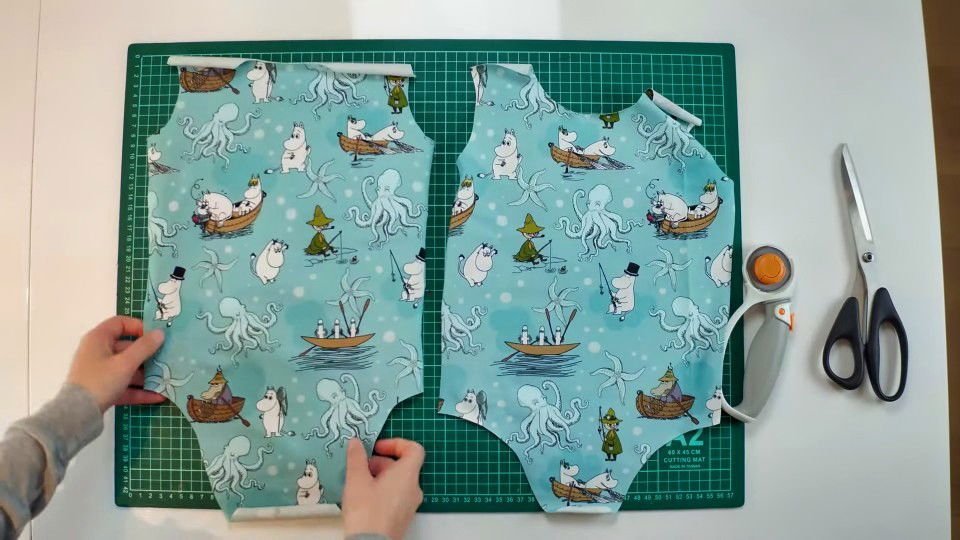
Next, position your pattern templates onto the fabric. You will need to cut the following components:
- Front Piece
- Back Piece
- Two Sleeves
- Neck Ribbing
- Leg Opening Ribbing
Verify that your pattern pieces are aligned with the fabric grain (usually indicated by a vertical arrow). This alignment is critical for preserving the elasticity and integrity of the knit. Use a rotary cutter or sharp scissors to cut the pieces precisely. If you are new to sewing, a rotary cutter often yields smoother curves and cleaner edges.
Step 3: Joining the Shoulders and Sleeves
Now that your pieces are prepared, it is time to stitch. Lay the front and back body pieces together with the right sides facing inward. Secure the shoulder seams using pins or clips. A fabric glue pen can be a great help in stabilizing these edges before you start sewing.
Stitch the shoulders using either a straight stitch or your serger. Once the shoulders are joined, prepare to attach the sleeves. Find the center of the sleeve cap by folding it in half and marking it with a small notch. Match this center mark with the shoulder seam, pin it in place, and sew carefully. Avoid pulling or stretching the fabric as you go to prevent unsightly puckering.
Step 4: Stitching the Neckline and Sleeve Cuffs
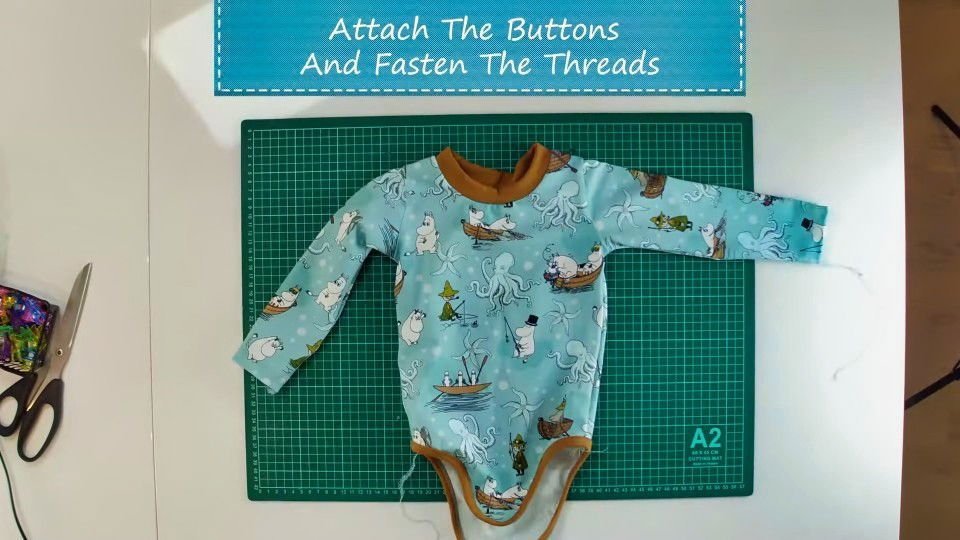
To finish the neckline, prepare your ribbing by folding it in half lengthwise and sewing the short ends together to form a loop. Pin this loop to the neck opening, ensuring the seam is positioned at the back of the neck for comfort. Stretch the ribbing gently as you sew, but be careful not to pull the main body fabric, which could cause waves.
Follow this same procedure for the sleeve openings. Form loops with the ribbing and attach them carefully. This technique provides a tidy, professional finish and ensures the sleeves remain comfortably in place on the baby’s arms.
Step 5: Closing Side Seams and Attaching Leg Ribbing
With the sleeves attached, you are ready to close the side seams. Fold the garment so the front and back pieces are aligned and the sleeves meet. Sew a straight line from the underarm down to the leg opening on both sides.
The final assembly step is adding the ribbing to the leg openings. If you don’t own a binding folder, you can achieve a similar professional look by using a twin needle or a zigzag stitch. Attach the leg ribbing using the same method you used for the sleeves and neck.
Step 6: Installing Snaps or Buttons
The last step is adding the closures at the crotch to facilitate easy diaper changes. Using your snap-fastening tool or pliers, carefully attach the hardware to the bottom edges of the onesie. This process requires patience, so take your time to ensure all snaps are perfectly aligned and firmly attached.
Video Tutorial
For a detailed visual demonstration of this process, please view this helpful YouTube video.
This video serves as a perfect companion to these written instructions, making it ideal for visual learners. By combining both resources, you will be well on your way to creating a beautiful, custom-made onesie that will be cherished for years.
Tips and Troubleshooting
Sewing a onesie has a learning curve, especially for beginners. Here are some extra insights to help you navigate common hurdles:
- Seam Allowance: If your pattern doesn’t specify a seam allowance, adding a 1/4 inch margin is a safe practice to ensure the garment doesn’t end up too tight.
- Choosing the Right Machine: While specialty machines like sergers offer a professional touch, a standard sewing machine is fully capable. Just ensure you use a zigzag or overlock stitch to accommodate the fabric’s stretch.
- Binding Tips: If applying ribbing proves difficult, a binding folder is an excellent investment to help you achieve consistent, professional edges.
- Handling Fabric Layers: When sewing over thick areas like side seams, move slowly to prevent the fabric from shifting or bunching under the needle.
- Stretching the Fabric: Always apply tension to the ribbing rather than the main fabric. This prevents ripples and ensures a flat, snug fit.
FAQ: Sewing a Baby Onesie
Master the art of sewing a baby onesie with our comprehensive FAQ section. These tips are perfect for beginners and anyone crafting a thoughtful baby shower gift!
What sewing machine should I use?
A standard machine is fine, but for the best results, many sewists prefer an overlocker (like the Brother 4234D) and a coverstitch machine (like the Baby Lock Coverstitch) to handle knit fabrics professionally.
Do I need a binding folder?
While not mandatory, a binding folder helps beginners achieve perfect ribbing edges. If you don’t have one, a zigzag or twin needle stitch is a great alternative.
Is the seam allowance included in the pattern?
Most patterns include it, but always verify the specific instructions that came with your pattern to be sure.
Can I use a regular sewing machine for the entire project?
Absolutely. Just be sure to select a zigzag or a three-point zigzag stitch to allow the seams to stretch along with the fabric.
What is the best fabric for a baby onesie?
Cotton jersey with a 5% Lycra content is the gold standard for its superior softness, flexibility, and comfort for delicate skin.
How do I sew ribbing without stretching the main fabric?
Apply gentle tension only to the ribbing piece while feeding the fabric through the machine. Avoid pulling on the main body of the onesie to keep the seams flat.
What if I don’t have snaps for the crotch area?
Buttons or Velcro can serve as effective substitutes. Just ensure they are securely fastened so they don’t become a choking hazard.
How do I cut both sleeves evenly?
Fold your fabric in half and cut both sleeves at the same time. This ensures they are identical and symmetrical.
What size should I choose for my onesie?
Consult the provided size chart using the baby’s current measurements. If you are on the fence, always choose the larger size to allow for growth.
Can I make a sleeveless onesie?
Yes, simply skip the sleeve attachment step and finish the armholes with a rolled hem or ribbing for a clean look.
5 Easy DIY Baby Onesie Ideas
Sewing your own onesies is an excellent way to design unique, high-quality clothing for the little ones in your life. Here are five creative DIY approaches based on various sewing techniques:
1. Simple Organic Cotton Onesie
Craft a soft, eco-friendly garment using organic cotton. Utilize a free downloadable pattern and a simple zigzag or overlock stitch to attach the neck and leg bands. This is an excellent project for beginners looking to create a safe, natural outfit.
2. Panda Fabric Onesie with Homemade Binding
Add personality to your project by using whimsical printed fabrics, such as a panda motif. Create custom binding from matching fabric strips. This project is perfect for practicing pattern placement and maintaining garment shape through stay stitching.
3. Preemie-Sized Onesie for Newborns
Create a tiny, cozy gift for a newborn using stretchy knit fabric. This design often features an envelope neckline, which is easy to pull over a baby’s head without requiring snaps, making it a quick and thoughtful project.
4. Free Pattern Onesie with Sew-On Snaps
Use a free pattern to experiment with different closure types, such as sew-on snaps or snap pliers. This versatile pattern offers both long and short sleeve options, making it a great staple project that doesn’t require advanced skills.
5. Professional-Looking Onesie with Coverstitch and Overlocker
If you want to achieve a boutique finish, utilize an overlocker and a coverstitch machine. This approach creates durable, clean seams and perfectly flat edges. Add custom embroidery or appliqué to give your project a professional, one-of-a-kind flair.
These five concepts offer something for every skill level, allowing you to create charming and custom baby apparel.
Final Wording
Sewing a baby onesie from scratch is a deeply rewarding endeavor that lets you provide something unique and handcrafted for a child. By following these steps, you can produce a comfortable, durable, and stylish garment. Remember that the secret to success is patience and consistent practice. Do not get discouraged by small errors—they are simply part of the learning journey. Happy sewing!
Please feel free to share your results or reach out with any questions. The sewing community is always eager to support your progress. Good luck with your onesie-making project!


