


Share This Article
Table of Contents
Do you ever find yourself tossing and turning, frustrated by the sliver of moonlight peeking through your curtains or the early morning sun cutting your dreams short? We’ve all been there, and the secret to reclaiming your rest might be simpler than you think. A high-quality sleep mask is more than just a travel accessory; it’s a commitment to your self-care routine, acting as a gentle signal to your brain that it’s finally time to shut down and recharge. Whether you are a frequent flyer trying to catch some Z’s on a red-eye flight or someone who just needs total darkness to achieve deep REM sleep, a handmade mask provides a level of comfort that store-bought options just can’t match.

Creating your own sleep gear is an incredibly rewarding experience that turns a functional item into a personalized piece of art. By using our Free DIY Sleep Mask Pattern, you can choose fabrics that soothe your skin, adjust the fit to your exact head size, and even incorporate calming elements like dried lavender. There is something deeply satisfying about curling up in bed with an accessory you stitched together with your own two hands. It turns your nightly ritual into a cozy, intentional practice that celebrates both creativity and wellness.
Advertisement
🔥 Fast & Free Download

If you are new to the world of sewing, don’t let the idea of making your own accessories intimidate you. This project is one of the most popular easy sewing projects for beginners because it requires very little fabric and can be completed in under an hour. Not only does it save you money compared to high-end boutique versions, but it also makes for a thoughtful, handmade gift for friends and family. Get ready to transform your sleep quality and your sewing skills with this simple, delightful guide.
Essential Materials for Your DIY Sleep Mask
Before you dive into the fun part, let’s gather everything you need to bring your homemade sleep mask to life. Having the right supplies on hand ensures a smooth sewing experience and a final product that feels luxurious against your skin. You don’t need a professional studio to get started; most of these items are likely already in your craft stash or can be found at your local fabric shop for a very low cost.

- Fabric: For the front, choose something fun like cotton, silk, or satin. For the back (the part against your eyes), use a soft, breathable fabric like bamboo jersey or cotton flannel.
- Interfacing/Batting: Use a thin layer of fusible fleece or quilt batting to give the mask structure and provide that “blackout” effect by blocking out extra light.
- Elastic: A soft, 1/4-inch or 1/2-inch wide elastic band is perfect for keeping the mask comfortably in place without pulling at your hair.
- Basic Tools: You’ll need a sewing machine (or a needle and thread for hand-sewing), sharp fabric scissors, pins, an iron for pressing seams, and a turning tool (like a chopstick).

When selecting your fabrics, keep comfort as your top priority. Since this item will be pressed against your eyelids for hours at a time, synthetic materials that feel scratchy should be avoided. Organic cotton or silk-lined masks are excellent choices because they are hypoallergenic and gentle on delicate facial skin. If you are using a sleep mask pattern free printable, make sure to pre-wash and iron your fabric before cutting to ensure your finished mask doesn’t shrink after its first trip through the laundry.
Don’t forget the batting! While it might seem like an optional layer, the batting is what makes your DIY version superior to cheap, thin store-bought masks. The inner layer acts as a light barrier and creates a soft, cushioned feel that conforms to the shape of your face. By combining a beautiful outer print with a soft, plush backing and a light-blocking center, you are effectively engineering the perfect environment for a restful night’s sleep.
How to Use This Free DIY Sleep Mask Pattern
Using a pattern is the secret weapon to achieving a professional, store-bought look with your sewing projects. Our Free DIY Sleep Mask Pattern is designed to be printed on standard 8.5×11 paper, making it accessible to everyone, regardless of their sewing setup. Once you have downloaded the file, ensure your printer is set to “Actual Size” or “100%” to maintain the correct dimensions. If it prints too small or too large, the mask won’t sit properly across your temples, so a quick check with a ruler is always a good idea.
Once your pattern is printed and cut, you’ll use it as a template on your fabric. Simply lay your pattern piece on the wrong side of your fabric, trace around the edges with a fabric marker or chalk, and cut along the lines. Repeat this for your front fabric, back fabric, and your batting layer. If you are feeling adventurous, you can even add a layer of blackout fabric or a thick, dark-colored felt in the middle for extra light-shielding properties.
The beauty of this DIY sleep mask tutorial is its versatility. You can use the pattern as a base for endless modifications. If you find that the standard shape doesn’t sit quite right on your nose, you can easily trim the bottom curve of the paper pattern before cutting your fabric. This flexibility is exactly why handmade items are so much better than mass-produced ones; you aren’t just buying a size; you are creating a custom-fit accessory tailored to the unique contours of your face.
Step-by-Step Instructions
- Prepare your layers: Stack your back fabric (right side up), your front fabric (right side down), and your batting layer on top. If you’re adding an elastic strap, pin the ends of the elastic between the front and back fabric layers, positioning them about an inch from the sides of the mask. Ensure the elastic isn’t twisted!
- Sew the perimeter: Using a 1/4-inch seam allowance, stitch around the entire edge of the mask. Leave a small 2-inch opening at the bottom or side so you can turn the fabric right side out later. Backstitch at the beginning and end of your sewing to secure the thread.
- Turn and press: Carefully turn the mask right side out through the opening. Use a chopstick or a turning tool to push out the curves until they are smooth and rounded. Fold the raw edges of the opening inward, press the entire mask with an iron for a crisp finish, and top-stitch around the entire edge to close the opening and give it a polished look.
When sewing, take your time with the curves. Curves can be tricky for beginners, but the secret is to make tiny snips in the seam allowance (without cutting your stitches) before turning the fabric. This allows the fabric to lay flat and look professional rather than bunchy. If your machine is struggling with the thickness of the batting, try using a slightly longer stitch length, which usually helps the fabric feed through more smoothly.
The final top-stitch is what elevates your project from a “homemade craft” to a boutique-quality item. By stitching 1/8-inch from the edge all the way around, you create a beautiful finish that keeps the layers together and prevents the mask from shifting while you sleep. If you have a decorative stitch on your sewing machine, this is a great time to use it to add a little bit of personality to your finished mask!
Tips for Best Results
To ensure your mask lasts for years, use a high-quality, durable thread that matches your outer fabric. Before finalizing the elastic length, measure it against your head comfortably. Too tight, and you’ll wake up with a headache; too loose, and the mask will slide off your face during the night. A good rule of thumb is to cut the elastic about 1-2 inches shorter than the distance between the two attachment points on the mask pattern, but always test it first.
If you are making this as a gift, consider adding a personal touch. You can use fabric paint to add the recipient’s initials or sew on a small charm or ribbon loop. Since these masks are meant to be used nightly, they will eventually need a wash. I recommend hand-washing them in cool water with a gentle detergent and laying them flat to dry to keep the batting from bunching up.
Finally, consider the environment where you’ll be using your mask. If you are a side sleeper, try to keep the side edges of the mask slightly flatter so they don’t dig into your skin when you press your face against the pillow. Choosing a soft, silk-satin for the side that touches your face can also help prevent “sleep lines” and protect your hair from breakage, making your mask a functional part of your beauty routine as well as your sleep hygiene.
Variations & Customization Ideas
One of the best things about this project is how easy it is to customize. Want a spa-like experience? You can create a “pocket” on the inside of the mask to hold a small, thin gel insert that can be chilled in the freezer. This is a game-changer for those suffering from sinus headaches or morning puffiness. Simply sew an extra piece of fabric to the back layer before assembling the mask, leaving one side open to slide the insert in and out.
If you’re a fan of aromatherapy, consider creating a small internal pouch filled with dried lavender or chamomile. The gentle, natural scent can help you drift off to sleep faster. Because the scent will eventually fade, make sure the pouch is removable or easily refillable so you can refresh the herbs whenever you need a boost. It’s a simple way to turn a basic sleep aid into a multi-sensory relaxation tool.
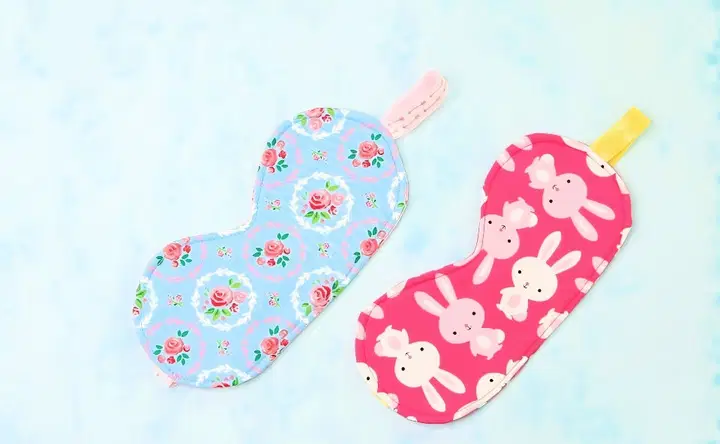
Experimenting with fabrics is also a great way to express your style. Use velvet for a luxurious, winter-ready mask, or choose breathable linen for a cool, summer-friendly version. You can even use upcycled fabric from an old favorite dress or a thrifted silk scarf. Not only is this eco-friendly, but it also gives your mask a sentimental value that you just won’t find in a store-bought version. The possibilities are truly endless when you have a reliable sleep mask pattern free printable to work from.
FAQs About DIY Sleep Mask
Get answers to common questions about DIY sleep masks, including materials, benefits, and step-by-step instructions to make your own.
1. How do I choose the right fabric for my sleep mask?
The best fabrics for a sleep mask are those that are comfortable against your skin and capable of blocking out light. Cotton and silk are popular choices because they are soft and gentle on the skin. Dark colors are preferable as they provide better darkness mimicry.
2. Can I make a sleep mask if I’ve never sewn before?
Yes, making a sleep mask is a simple project that’s great for beginners. You can find step-by-step guides and free patterns online that require minimal sewing skills. Just follow the instructions carefully, and you’ll be able to make a functional and personalized sleep mask.
3. How do I ensure my sleep mask fits comfortably?
To ensure a comfortable fit, measure the circumference of your head where the elastic will sit. The elastic should be snug enough to keep the mask in place but not so tight that it’s uncomfortable. You can adjust the length of the elastic based on your measurement.
4. What are the benefits of making my own sleep mask?
Making your own sleep mask allows you to customize it to your preferences. You can choose the fabric, pattern, and fit to suit your needs. Additionally, a DIY sleep mask can be a cost-effective and rewarding project, giving you a sense of accomplishment and a personalized item that promotes better sleep.
5. How do I care for my DIY sleep mask to ensure its longevity?
To keep your sleep mask in the best condition, follow these care tips:
Wash Gently: Hand wash your sleep mask in cool water with a mild detergent. Avoid harsh chemicals that can damage the fabric.
Air Dry: Lay the mask flat to air dry. Avoid wringing it out, as this can deform the batting and elastic.
Storage: Store your sleep mask in a clean, dry place when not in use to prevent dust and dirt accumulation.
Regular Maintenance: Check the elastic and fabric periodically for signs of wear and tear. Replace the elastic if it becomes loose or uncomfortable.
Benefits of Using a Sleep Mask
Why go through the effort of making one? The benefits of wearing a sleep mask are backed by science. Exposure to light, even subtle amounts, can suppress melatonin production, the hormone responsible for helping you fall and stay asleep. By creating a pitch-black environment, you signal to your body that it is time to rest, which can significantly improve the quality of your sleep and help you wake up feeling more refreshed and alert.
For frequent travelers, a sleep mask is a non-negotiable item. Whether you are on a long-haul flight or staying in a bright hotel room, having a familiar, comfortable mask can help you create a “portable sanctuary.” It helps you control your environment regardless of where you are, reducing the anxiety that often comes with trying to sleep in unfamiliar or bright surroundings.
Beyond the physical benefits, there is a psychological comfort in the ritual of putting on your sleep mask. It acts as a “trigger” for your brain, letting it know that the day is over and it’s time to let go of stress. This simple habit can be a powerful tool for those struggling with racing thoughts or insomnia, as it blocks out visual distractions and invites you to focus inward. Making your own with our Free DIY Sleep Mask Pattern adds an extra layer of love to that ritual, making your bedtime routine something you genuinely look forward to every single night.
Final Thoughts
There you have it—a simple, stylish, and incredibly effective way to upgrade your sleep routine! Whether you are a sewing pro looking for a quick weekend project or a total beginner eager to try your hand at easy sewing projects for beginners, this guide has everything you need to create your own custom mask. Remember, the best sleep is the kind that you prioritize, and there is no better way to honor your rest than by crafting something beautiful with your own hands.
Don’t forget to save this post to your Pinterest “Sewing Projects” or “DIY Wellness” boards so you can find it whenever you need to whip up a gift or a replacement. If you decide to give this Free DIY Sleep Mask Pattern a try, I’d love to see how yours turned out! Tag me in your photos or leave a comment below letting me know which fabric you chose. Here’s to better sleep, sweeter dreams, and many more fun DIY adventures ahead!


