


Share This Article
Table of Contents
Creating a quilt is a deeply rewarding endeavor. This tutorial will guide you through how to make a quilt, covering every phase from picking out your textiles to sewing on the final binding. Whether you are a total novice or looking to polish your existing abilities, quilting is a delightful craft that results in a unique, cozy masterpiece. We will explore everything from fundamental concepts to intermediate techniques, ensuring you complete your project with total confidence.

While quilting for beginners might feel intimidating initially, breaking the process down into manageable segments makes it quite achievable. Begin by selecting a design and collecting your supplies. Following that, we will walk you through the essential phases of cutting, piecing, and stitching.
Advertisement
🔥 Fast & Free Download


By sticking to the instructions provided below, you will grasp the core principles and establish a strong foundation for your future quilting projects.
Required Supplies
- Fabric (various colors and background): The essential components of your quilt.
- Cutting Mat (18×24 inches): Provides a secure base for your blade.
- Rotary Cutter (45mm): Used for achieving clean, precise fabric cuts.
- Ruler (3 inches wide): Assists in measuring and maintaining perfectly straight lines.
- Quilting Pattern: Available on my site, this contains all necessary assembly and cutting directions.
- Sewing Machine: The primary tool for joining your fabric pieces.
- Batting: Provides the necessary loft and thermal insulation for your quilt.
- Safety Pins: Utilized for keeping the quilt layers aligned during the construction phase.
- Thread: High-quality material for both piecing and decorative stitching.
- Iron and Ironing Board: Necessary for pressing your fabric and ensuring seams lay perfectly flat.
Step-by-Step Directions
Learn how to make a quilt using our straightforward, logical steps. From fabric selection to the final details, create a stunning quilt of your own today!
Step 1: Choosing and Preparing Your Fabrics
Begin by gathering your materials. You will need a selection of both background and vibrant fabrics. Download the complimentary pattern from my website, which includes detailed requirements. For this specific project, we recommend skipping pre-washing to keep the fabric fibers crisp and easy to handle.
Step 2: Cutting Your Fabric
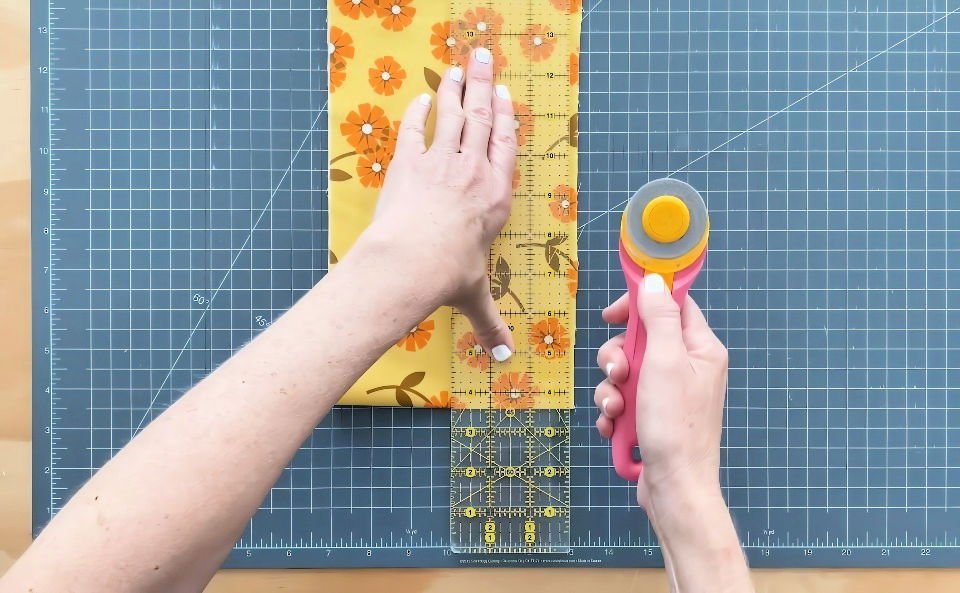
Place your fabric onto the cutting mat, ensuring it is folded neatly in half. Utilizing your rotary cutter and ruler, slice the strips as specified in your pattern. To ensure maximum accuracy, apply steady, firm pressure while moving the cutter away from your body.
Tips:
- Ensure your ruler is perfectly aligned with the mat’s grid lines.
- Cut several layers at once to increase efficiency.
- Always trim away any uneven edges before starting.
Step 3: Constructing the Quilt Top
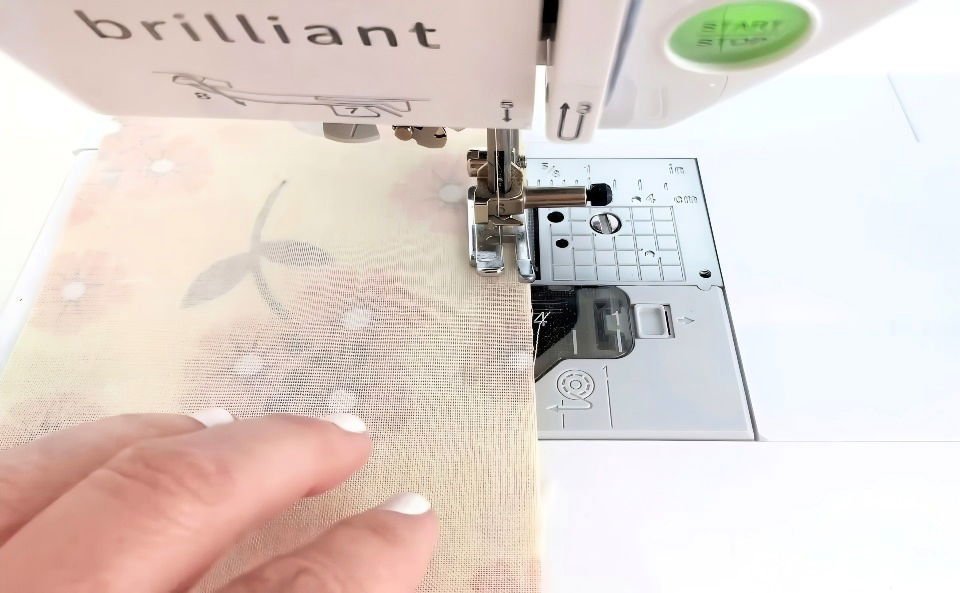
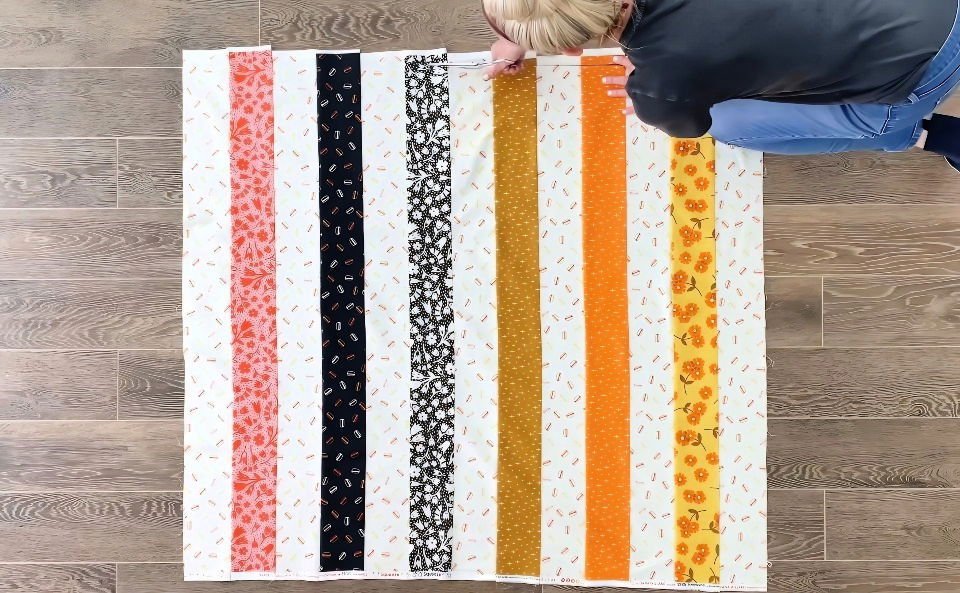
Lay out your strips on a level surface according to your pattern design. Start with a background strip, add a colorful strip, and keep alternating. Sew these together using a ¼ inch seam allowance. A quarter-inch foot attachment can simplify this stage significantly.
Tips:
- Stop frequently to verify that your edges remain aligned.
- Press your seams as you work to ensure a smooth, professional finish.
Step 4: Pressing the Quilt Top
Press your seams either open or to one side, based on your preference. Personally, I favor pressing toward the darker fabric to prevent the seam allowance from showing through lighter sections.
Step 5: Preparing the Batting and Backing
Gather your batting and backing material. Lay the backing fabric face-down on a flat floor. Place your batting layer over it, followed by the quilt top, ensuring the right side is facing up. Smooth out all ripples and use painter’s tape to hold the layers steady.
Tips:
- Take care not to pull or stretch the fabric while smoothing.
- Make sure both the backing and batting are cut slightly larger than the quilt top itself.
Step 6: Basting the Layers
Use safety pins to secure all three layers together. Space your pins roughly a fist’s width apart to prevent the fabric from shifting while you are stitching.
Step 7: The Quilting Process
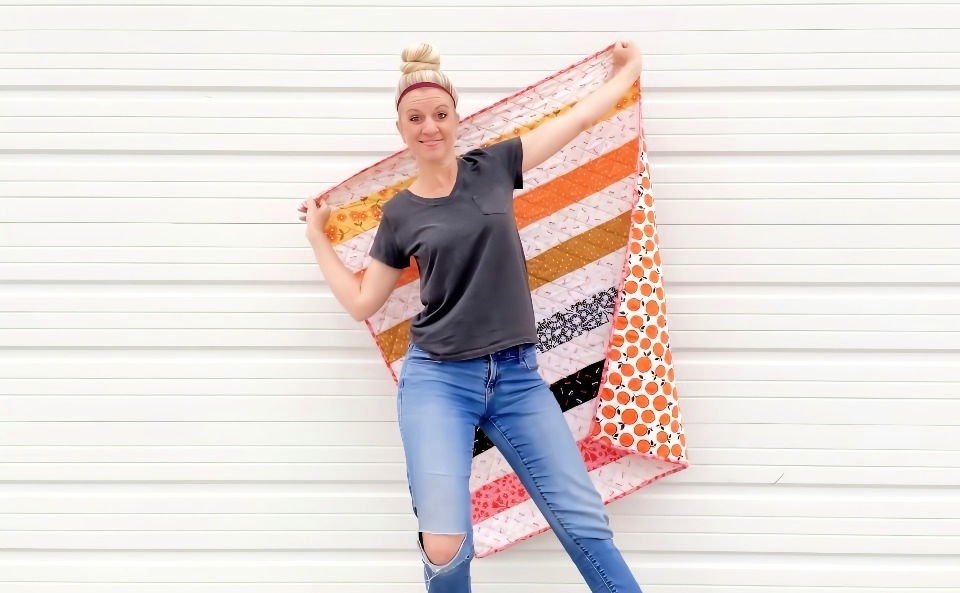
Select your preferred quilting design. With a fabric marker and ruler, sketch your chosen motif onto the quilt surface. I chose a diagonal grid. Begin stitching from the middle and move toward the outer edges to minimize bunching.
Tips:
- Test your fabric marker first to confirm that the marks are not permanent.
- If possible, utilize a walking foot to ensure even feeding of all three layers.
Step 8: Trimming and Binding Preparation
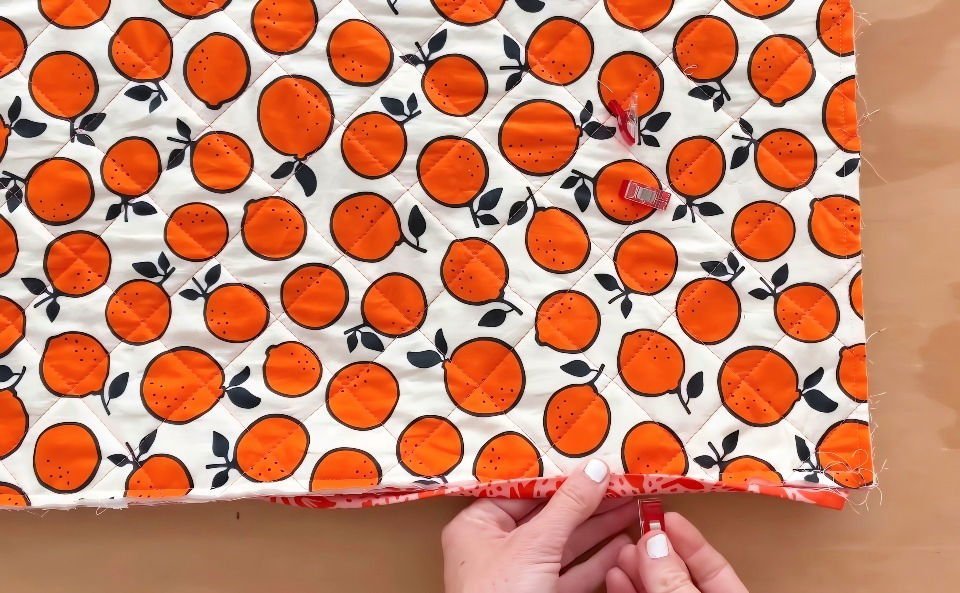
Once the quilting is finished, square your edges by cutting away extra batting and backing. Prepare your binding by cutting 2.5-inch strips and joining them end-to-end with diagonal seams to reduce bulk. Fold this long strip in half and press.
Tips:
- Measure the total edge length of your quilt to ensure you have enough binding.
- Leave a loose tail at the start to facilitate connecting the ends later.
Step 9: Attaching the Binding
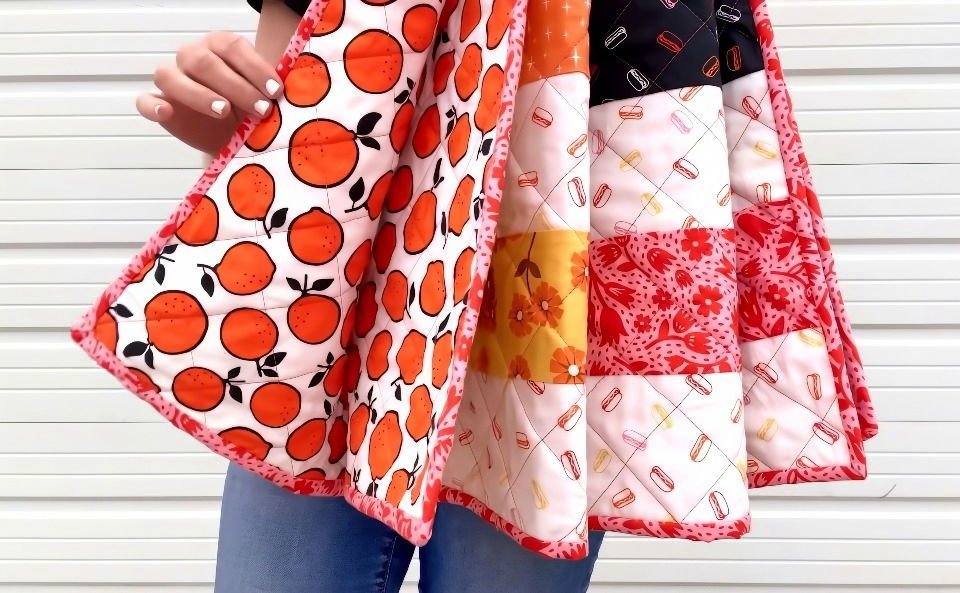
Stitch the binding to the front side of your quilt, ensuring you miter the corners accurately. Fold the binding toward the back and secure it with a blind stitch by hand or use your sewing machine for a faster finish.
Tips:
- Keep about 10 inches of binding unattached at the beginning so you can join the ends seamlessly.
- To achieve sharp mitered corners, fold the fabric up and then back down at a 45-degree angle.
Step 10: Final Touches
Once the binding is finished, you are done! Take a moment to appreciate your handmade quilt. It is a wonderful sensation to see all those separate pieces transformed into a warm, finished item.
Advanced Methods
For those who have mastered the basics and are ready for more complex challenges, this section explores advanced techniques to elevate your quilting skills.
Precision Cutting and Piecing
Mastery requires precision. Guarantee your cuts are exact with your rotary cutter and ruler. When assembling blocks, a 1/4-inch presser foot is vital for maintaining consistent seam allowances throughout the project.
Complex Block Construction
Try your hand at intricate patterns like the Mariner’s Compass or Bargello. These designs demand careful planning and exact stitching but offer breathtaking visual results.
Appliqué Techniques
Appliqué adds texture and dimension. Experiment with needle-turn for a classic handmade finish, or use fusible webbing for a faster approach. Machine appliqué using a satin stitch can also offer clean, durable results.
Free-Motion Quilting
Free-motion quilting allows for artistic, fluid designs. Practice on spare fabric to gain confidence and control. Wearing quilting gloves can also improve your grip and maneuverability.
Advanced Embellishments
Add flair to your work with beads, embroidery, or sequins. These details can be added either by hand or with your machine to give your quilt a unique personality.
Quilting with Rulers
Quilting rulers allow for highly consistent geometric designs. When paired with a longarm quilting machine, you can achieve perfect waves, circles, or chevrons.
Mixed Media Quilting
Merge quilting with other disciplines like photography or painting. Transfer personal photos onto fabric or paint your own designs onto blocks before sewing them together.
Binding Techniques
For a truly professional look, master advanced binding methods like piped or flanged binding. These decorative edges can be color-coordinated to enhance your overall design.
Use these advanced methods to create quilts that truly showcase your craftsmanship and artistic vision.
Common Questions About How to Make a Quilt
Find answers to our most frequent questions regarding quilting. This guide is ideal for both newcomers and experienced quilters alike!
1. How do I pick a quilt pattern and fabric?
Choose a pattern that suits your current skill level. Beginners might benefit from simple patchwork using pre-cut charm packs to save time on cutting. When selecting fabric, look for colors and patterns that match your vision. It is generally a good idea to pre-wash your fabric to avoid later shrinking or color bleeding.
2. How do I assemble the layers of the quilt?
After the quilt top is finished, you will build a ‘quilt sandwich’ using batting and backing. Follow these steps:
Lay the backing face-down on a flat surface.
Position the batting evenly on top of the backing.
Place the quilt top over the batting, face-up.
Baste the layers using pins, spray adhesive, or basting stitches to ensure they don’t slide during the quilting phase.
3. How do I complete the quilt?
After the layers are quilted, you must bind the edges. Follow this basic process:
Trim away extra batting and backing so the edges are flush with the quilt top.
Create binding strips, typically 2.5 inches wide.
Join the strips end-to-end to create a continuous length.
Fold the strip in half, wrong sides together, and press it flat.
Stitch the binding to the edge, then fold it over to the back and secure it via machine or hand stitching.
4. How do I quilt the layers together?
Quilting involves stitching through all three layers to unify them. Here is the basic process:
Determine your method: You can quilt by hand, with a standard sewing machine, or a longarm machine.
Pick your design: Choose from straight lines, free-motion motifs, or following existing fabric prints.
Begin the quilting: Start in the center and move outward to avoid fabric puckering. A walking foot is helpful for straight-line stitching, while a darning foot is better for free-motion.
5. How do I maintain my completed quilt?
Proper maintenance will keep your quilt in great condition. Remember these points:
Wash rarely: Quilts do not require frequent cleaning. When necessary, use a mild, dye-free detergent.
Dry with care: Either air-dry flat or tumble dry using the lowest heat setting.
Store correctly: Fold or roll the quilt to prevent creases. Store it in a breathable cotton bag away from direct sunlight to prevent fading.
In Summary:
To conclude, learning how to make a quilt is a deeply fulfilling and creative journey that anyone can undertake. From the initial fabric selection to the final binding, following this process will lead you to create a beautiful, handmade quilt.


