


Share This Article
Table of Contents
There is a unique sense of accomplishment that comes from creating something with your own hands. I recall needing to dress up for a specific event and realizing my outfit was missing a sash. Rather than heading to the store, I decided to make a sash personally. Even as a beginner, the process was straightforward; I simply gathered some basic supplies like fabric, ribbon, and sewing essentials. The project was far more manageable than I anticipated, and the final look was truly impressive.

If you are feeling motivated to make a DIY sash, this guide will walk you through the entire experience. The primary phases included measuring and cutting the material, finishing the edges, and applying decorative accents. It proved to be a genuinely enjoyable and artistic endeavor. Now, you can follow these same steps to construct your own custom accessory. These guidelines are designed to help you get started right away.
Advertisement
🔥 Fast & Free Download

Essential Crafting Supplies
Before we dive into the construction, let’s assemble the necessary items. Each component serves a vital purpose in producing a high-quality sash.
Materials:
- Wide Ribbon or Fabric: This serves as your foundation. I happened to find a beautiful length of wide ribbon discarded on the street, which goes to show that you don’t need expensive materials to begin.
- Instant Hem Tape, Double-Sided Tape, or Stapler: These are perfect for securing the ends together. We are focusing on quick, hassle-free solutions, though you are welcome to sew if you prefer.
- Markers, Paint, or White Out Pen: These are used for lettering. I utilized a white-out pen on black fabric to achieve a bold, high-contrast look.
- Puffy Fabric Paint: An optional choice if you want to add a 3D texture to your writing.
- Glue and Embellishments (Rhinestones, Feathers, Flowers, etc.): These provide that necessary touch of elegance and flair.

Step-by-Step Construction
Learn the art of sash making with our straightforward, comprehensive guide. From initial cuts to adding final decorations, you can design a personalized sash in no time.
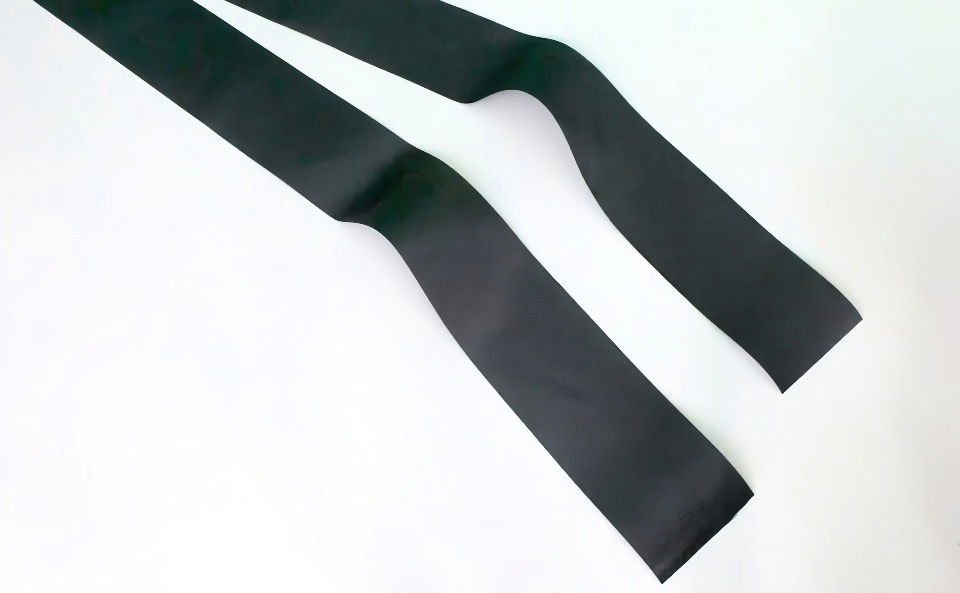
Step 1: Select Your Material and Measure
Begin by choosing a wide ribbon or textile that suits your style. The width you pick will significantly influence the overall aesthetic, so choose thoughtfully.
- Tip: Ensure the material is robust enough to support the weight of any adornments you plan to attach.
Drape the fabric over your shoulder to gauge the correct length, then trim accordingly. It should rest comfortably against your body without being overly tight or sagging.
Step 2: Securing the Ends
Once your material is sized correctly, it is time to fasten the ends. There are several ways to achieve this:
- For a rapid result, use instant hem tape or double-sided tape.
- A stapler provides a more rugged and permanent attachment.
- If you have the time and capability, hand-sewing the ends creates a clean, professional finish.
I personally chose the stapler method for its speed and reliability.
Step 3: Applying Your Custom Text
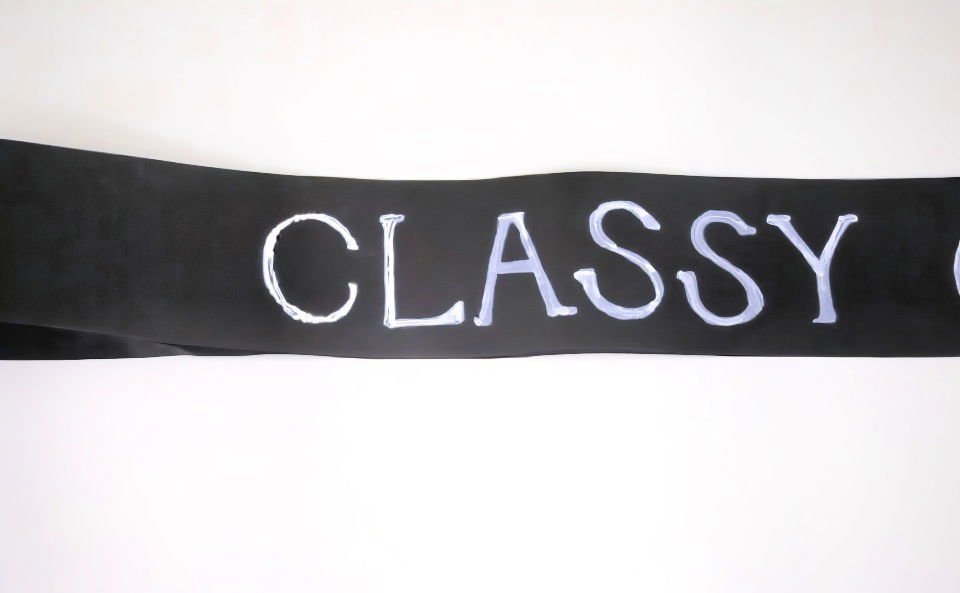
Now, it is time to customize. Think of a title or phrase to feature on the sash, such as “Prom Queen,” “Pageant Winner,” or even a funny slogan.
- Because I used black material, a white-out pen offered the best visibility.
- For lighter fabrics, standard paint or markers will work perfectly.
Tip: Take your time when lettering. Moving slowly helps ensure precision and prevents errors.
Step 4: Unleash Your Creativity with Embellishments
This is the stage where you can really showcase your personal flair.
Look through your craft supplies for adhesives and decorative items you might already own. Here are a few creative suggestions:
- Rhinestones: These add an instant touch of class.
- Feathers and Flowers: Perfect for achieving a stylish, playful aesthetic.
- Trim and Snippets: Use these to create borders around your text or add extra visual interest.
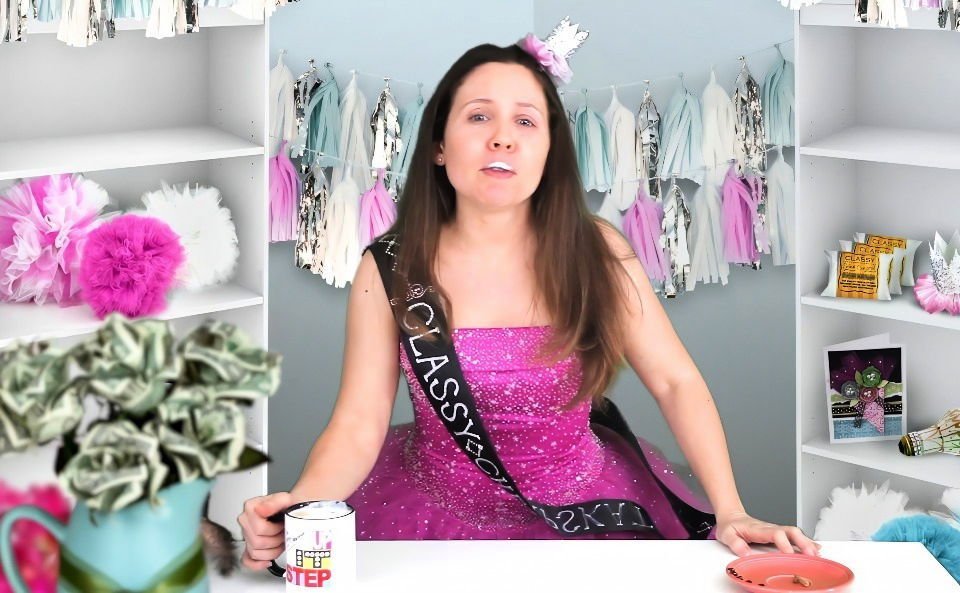
I discovered that a small amount of glue and a few strategically placed rhinestones turned my simple sash into something spectacular.
Personalization Tips for Crafting a Sash
Creating a sash that feels unique and meaningful doesn’t have to be difficult. Follow these tips to add a personal touch that makes the accessory a cherished keepsake for any event:
- Choose the Right Fabric: Pick a material that fits the occasion. Satin or silk works beautifully for formal events, while cotton is better suited for relaxed gatherings.
- Color Matters: Select hues that align with your event’s theme. Soft pastels are lovely for bridal showers, while vibrant colors are great for birthday celebrations.
- Add a Message: Use iron-on letters or fabric paint to include names, dates, or special phrases. This captures the memory of the occasion perfectly.
- Decorative Edges: Consider adding fringe, tassels, or lace to the borders for extra personality.
- Embellishments: Use sequins, beads, or rhinestones to add sparkle. You can even form shapes or spell out words to match the event’s vibe.
- Adjustable Closure: Incorporate snaps or Velcro so the sash can be adjusted for different people and reused in the future.
- Keep it Comfortable: Ensure the fit is comfortable. The sash should be wide enough to remain stable on your shoulder without becoming cumbersome.
- Practice Sustainability: Whenever possible, opt for eco-friendly or repurposed fabrics to reduce your environmental footprint.
Focusing on these personal details will help you craft a unique sash that highlights the wearer’s personality and the spirit of the celebration.
Advanced Techniques for Sash Making
When you are ready to elevate your project, these advanced methods will help you produce a truly professional-grade accessory. Here is how to take your sash to the next level:
- Sprang Weaving: This ancient technique creates a naturally stretchy fabric, making it ideal for sashes that need a comfortable fit without using elastic. You will need a basic frame to interlink your warp threads.
- Quilt Sashing: For a quilted effect, sew strips of fabric between squares. This adds both structure and visual depth. Use contrasting colors to make the design stand out, and be sure to press your seams flat.
- Ribbon Embellishment: Plastic ribbon can introduce unique textures and shine. Weave it through your fabric or use it to form numbers and letters. Secure it with fabric glue or neat stitches.
- Beading and Sequins: Add glamour by sewing on beads or sequins. Whether done individually or as a string, they add a touch of sparkle. Use durable thread and tie secure knots to ensure they stay in place.
- Embroidery: Hand or machine embroidery is perfect for adding names or motifs. Use contrasting thread and a stabilizer to keep the fabric smooth while you stitch.
- Fabric Painting: For those with artistic talent, fabric painting offers limitless possibilities. Use stencils or freehand designs to add symbols, flowers, or calligraphy.
- Layering Fabrics: Combine different materials to create texture. Using tulle or lace over a base fabric adds a sophisticated, layered look.
Experiment with these advanced methods to turn your sash into a standout piece. Always test your ideas on scrap fabric first.
Troubleshooting Common Issues in Sash Making
Crafting a sash can sometimes lead to unexpected challenges. Use this guide to navigate common issues and ensure your process remains efficient:
Fabric Fraying
- Solution: Use a serger or a zigzag stitch to finish raw edges. If you lack these, a specialized fray-check liquid will keep the threads in place.
Uneven Width
- Solution: Consistency is essential. Utilize a measuring tape or ruler to mark your fabric before cutting. A grid-based cutting mat is also excellent for achieving perfectly straight lines.
Wrinkles or Bubbles
- Solution: Thoroughly iron your fabric before beginning and use pins to hold it steady. If wrinkles persist after sewing, a gentle steam press should smooth them out.
Dull or Skipped Stitches
- Solution: A blunt needle is often the culprit. Switch to a fresh needle appropriate for your fabric weight and verify that your thread tension is set correctly.
Difficulty in Attaching Embellishments
- Solution: Use a thimble to protect your fingers during hand-sewing. For heavier items, reinforce the back of the fabric with interfacing.
Sash Slipping Off the Shoulder
- Solution: Sew small hooks or snaps onto your garment to keep the sash secure, or use a discreet safety pin to hold it in place.
Color Fading or Bleeding
- Solution: Pre-wash your fabric in cold water to check for colorfastness. Adding a splash of vinegar to the rinse cycle can help set the color.
Sash Too Stiff or Too Floppy
- Solution: Your choice of material dictates the drape. Use heavier fabrics or interfacing for a rigid look, or choose silk or chiffon for a soft, flowy appearance.
By preparing for these potential hurdles, you will be well-equipped to create a high-quality, professional-looking sash.
FAQs About How to Make a Sash
Find answers to frequently asked questions about creating a sash, including expert advice on materials, techniques, and assembly.
How do I measure and cut the fabric for my sash?
Follow these simple steps:
Measure from your right hip, across your chest/shoulder, to your left hip.
Include a few extra inches to account for overlap and comfort.
Cut your material to this length, aiming for a width of about 4 inches.
If you want more stability, iron on a layer of interfacing.
How can I personalize my sash?
There are many ways to customize:
Apply iron-on letters for a title or name.
Paint or write directly on the sash with fabric markers.
Attach decorative trim to the borders.
Glue on sequins, beads, or rhinestones for a touch of glam.
How do I ensure my sash stays in place when worn?
Keep it secure by:
Using a decorative brooch or safety pin at the hip.
Sewing a small square of Velcro to the overlapping ends.
Ensuring the fit is snug enough to stay put but loose enough to be comfortable.
How do I choose the right fabric for my sash?
The right material defines the sash’s style:
Satin is a classic, elegant choice for formal events.
Cotton is perfect for a more relaxed, casual feel.
Ribbon is a great no-sew alternative that is easy to decorate.
Always pick a color that complements your event’s theme.
Can I make a sash without sewing?
Absolutely! Try these no-sew tips:
Pick a non-fraying material like fleece or felt.
Trim the fabric to your preferred size.
Use fabric glue or double-sided tape for all decorations.
Use iron-on transfers or markers for all your text.
Final Thoughts
Creating a DIY beauty queen sash is neither expensive nor overly complicated. With a bit of imagination and some basic household supplies, you can produce a sash that is both stunning and sentimental.
Additional Tips
- Budget-Friendly Shopping: Look for sales and use craft store coupons. I even managed to get my white-out pen for free using a discount!
- Experiment with Colors: Feel free to step outside traditional color palettes; try new combinations to see what looks best.
- Practice Makes Perfect: Don’t get discouraged if you make a mistake. Every project is a chance to refine your crafting skills.
I hope this guide proved as useful for you as it was enjoyable for me to write. Have a wonderful time with your new beauty queen sash, and wear it with pride at your upcoming event!


