


Table of Contents
You don’t need experience or expensive tools to pull off this diy shower cap transformation — I promise. I’ve been in the DIY & Crafts space for years, and it’s amazing how a simple project like this can bring so much joy. I’ve moved five times in eight years, which means I’ve gotten very good at making any space feel intentional without starting from scratch or spending a fortune.
I personally love the idea of taking something as mundane as a shower cap and turning it into a personalized, stylish accessory. It’s all about adding those little touches that make a big difference. My first big project was a complete disaster — uneven, wobbly, nothing like the tutorial. But I learned more from that one failure than from ten successful builds combined.
As I started working on my diy shower cap, I realized how much fun it is to experiment with different fabrics and designs. You can choose anything from bright, bold prints to soft, pastel colors, and it’s a great way to express your personality. So, if you’re looking for a beginner-friendly project that won’t break the bank, you’re in the right place. Let’s get started and explore the world of diy shower caps.

I have always found a deep, quiet joy in creating things with my own two hands. Whether I was knitting a winter scarf or stitching up a simple dress, the act of crafting provided me with a genuine sense of achievement. Eventually, I grew tired of the uninspired, flimsy shower caps sold in stores, so I decided it was high time to fashion my own. Why not design a DIY shower cap that truly captures my personal style, utilizing the specific fabrics and ribbons I love? Below, I have outlined my process step-by-step so that you can craft one for yourself.

Essential Supplies
Before you begin the sewing process, you must gather all the necessary materials. Here is what I found to be absolutely vital:
- Fabric: I opted for a medium-weight material like cotton poplin because it is easy to sew and comes in vibrant prints. Quick-drying alternatives such as viscose or a poly-cotton blend are also excellent choices.
- Lining: A shower curtain is a must-have for the inner layer to ensure your cap is waterproof. These are widely available at most stores, quite affordable, and one curtain can provide enough material for several caps.
- Elastic: A thin, six-millimeter elastic band is perfect for creating the casing of the shower cap. It offers enough stretch to ensure a secure fit without being overly bulky.
- Bias Binding Tape: This is used to construct the channel for the elastic. Satin bias binding provides a luxurious aesthetic and is remarkably soft against your hairline.
- Satin Ribbon: If you wish to attach a bow, a wide satin ribbon serves as a wonderful decorative accent. Choosing bright colors or fun patterns makes the project even more personal and playful.
- Sewing Tools: You will need pins, sharp fabric scissors, a sewing machine, and a tape measure. If you own a bias binding maker, it can be incredibly useful for achieving a polished, professional finish.
With these supplies ready to go, I was prepared to start my project.
Instructions for Construction
Discover how to sew a DIY shower cap using a free pattern. From drafting your template to inserting the elastic, you can easily create your own shower cap at home.
Creating the Template
Your template serves as the foundation for the entire project. Here is how I went about creating mine:
- Size the Circle: I chose a diameter of 60 centimeters for my cap. This is slightly larger than standard store-bought versions, which allows for extra space for long hair or a more relaxed fit.
- Drawing the Circle: Using a simple compass I sourced from eBay—much like the ones from my school days—I drew a perfect circle. If you don’t have a large compass, don’t worry. Simply mark a 30-centimeter radius from a central point at various intervals and connect the marks.
- Cut the Template: I chose to make my pattern out of fabric, as I find it easier to handle than paper, though sturdy paper works perfectly fine if you prefer.
Cutting and Sewing the Fabric
Now, the actual crafting begins.
- Prepare the Fabric: Lay out your chosen fabric with the right side facing up. Pin your template firmly in place and carefully cut around the perimeter. I only needed a few pins because my cutting mat kept the fabric stable.
- Add the Lining: Unfold your shower curtain. Rather than pre-cutting it, lay your fabric circle over the curtain, aligning it with a corner to minimize waste. Pin it securely and use your fabric piece as a guide to cut the lining.
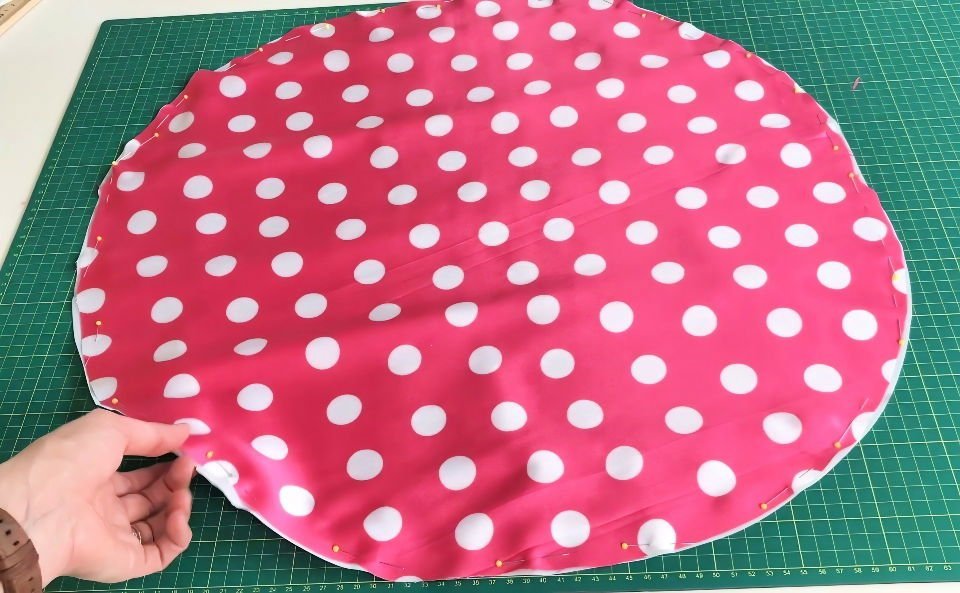
- Sew the Layers Together: Now, move to your sewing machine. Stitch around the circumference of the circle to join the fabric and lining, removing pins as you advance. I maintained a 1-centimeter seam allowance from the edge. Any minor puckering will disappear once the elastic is inserted.
Finishing the Edges
Providing the edges with a clean finish is crucial.
- Trim the Edges: Remove any excess material, leaving just a few millimeters beyond your stitch line.
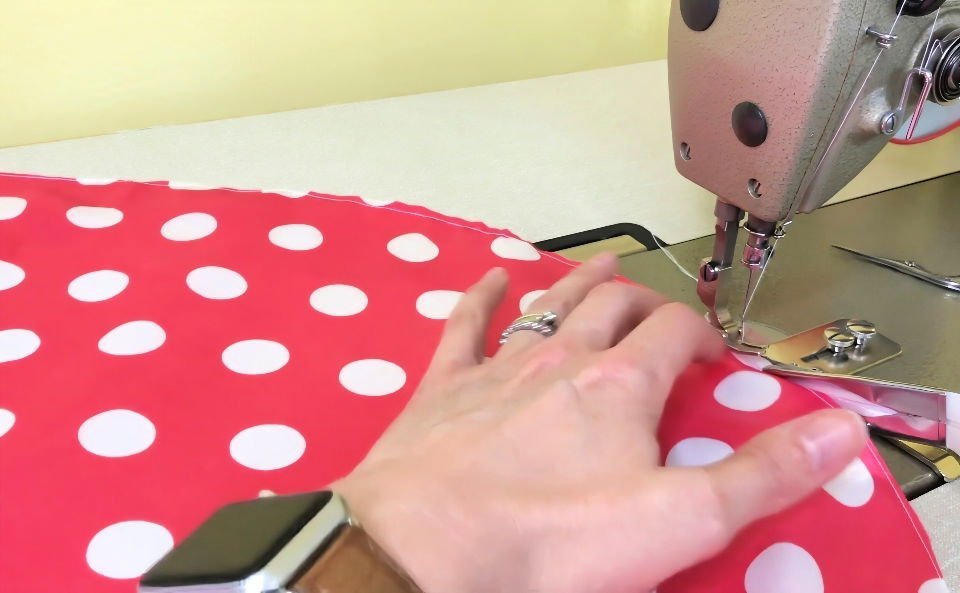
- Attach the Bias Binding: A bias binding folder is a brilliant tool for this. Feeding the binding through the folder allows you to sew it onto the edge in one fluid motion for a tidy result. Attach the folder to your machine if needed and ensure the binding is feeding smoothly beneath the presser foot.
- Sew the Binding: Place your stitched circle into the bias folder. Begin with a few anchor stitches to secure it, then sew around the entire circle, making sure the fabric feeds evenly through the binding.
Sewing the Elastic Casing
Your shower cap is really starting to take shape!
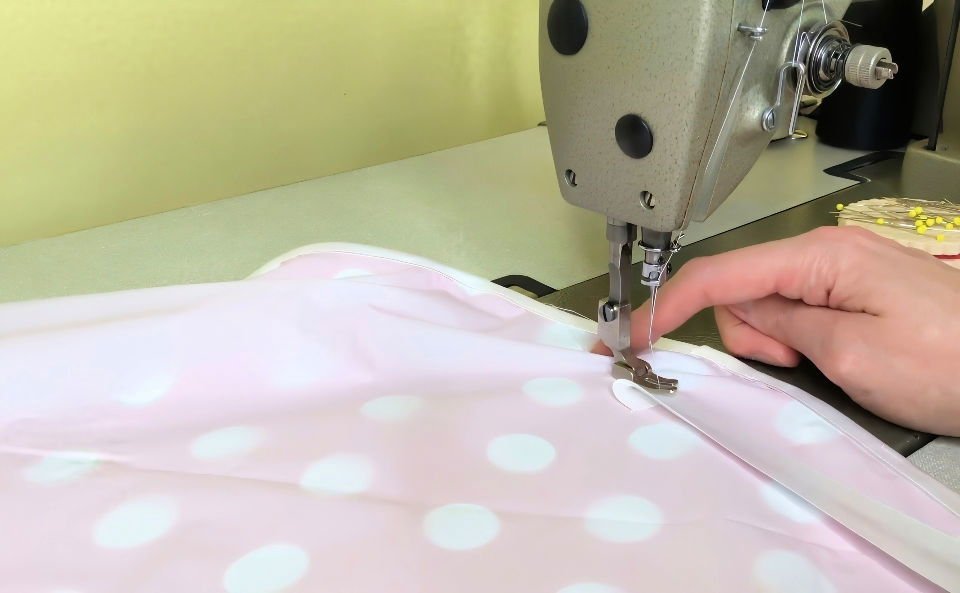
- Make the Elastic Casing: Measure roughly two inches inward from the edge where you attached the binding, then sew another round of bias binding to create a channel for the elastic.
- Finish the Channel: As you approach the starting point, overlap the ends of the bias binding. Fold the ends over twice for a neat finish and stitch them down firmly.
Threading the Elastic
Now it is time to make your creation functional.
- Measure Your Head: Use your elastic to determine a comfortable fit around your head. Mark the necessary length, leaving a bit extra for potential adjustments.
- Thread the Elastic: Utilize a large-eye needle or a bodkin to feed the elastic through the channel. Carefully guide it through, ensuring it doesn’t twist, until both ends emerge.
- Secure the Elastic: Knot the elastic ends together firmly, checking that the fit feels comfortable. Trim off any excess length and tuck the knot neatly inside the casing.
Customization Ideas
Personalizing your DIY shower cap makes it both more stylish and more practical. Here are some simple, creative suggestions for tailoring your cap to your unique needs.
Fabric Choices
Selecting the right fabric is vital for both looks and performance. Consider these options:
- Waterproof Fabrics: Utilize materials like oilcloth or laminated cotton to guarantee your cap stays dry.
- Satin or Silk: These fabrics are gentle on hair and help minimize frizz, making them excellent choices for the inner lining.
- Patterned Fabrics: Choose vibrant prints or colors to add flair. You can find a huge selection of designs at craft stores or online retailers.
Decorative Elements
Adding embellishments can really make your shower cap pop. Try these ideas:
- Ribbons and Lace: Stitch lace or ribbon around the perimeter for a sophisticated, delicate aesthetic.
- Embroidery: Add a custom touch by embroidering your initials or a small design onto the fabric.
- Buttons and Beads: Incorporate beads or buttons for a colorful, whimsical detail.
Functional Enhancements
Improve your cap’s usability with these functional upgrades:
- Adjustable Elastic: Use adjustable bands to guarantee a perfect fit, which is especially helpful for those with very thick or long hair.
- Double Layering: Sew two layers of waterproof material together for maximum protection, ensuring your hair remains completely dry.
- Reversible Design: Create a reversible cap by using different fabrics on either side, giving you two distinct looks in one.
Tips for Success
- Measure Carefully: Accurate head measurements are the key to a comfortable, well-fitting cap.
- Test Waterproofing: Before using your new cap, run it under the tap to test for leaks and make adjustments if necessary.
- Experiment with Styles: Do not be afraid to try different materials or designs. The beauty of DIY is tailoring the item to your own preferences.
By using these customization tips, you can create a shower cap that is not only useful but also a true expression of your personal style.
Resolving Common Issues
You may run into a few hurdles while making or using your DIY shower cap. Here are some practical solutions to help you troubleshoot and keep your project in top shape.
Fit and Comfort
- Problem: The cap is either too loose or too tight.
- Solution: If it’s too tight, swap the elastic for a longer piece; if it’s too loose, shorten it. Always measure your head circumference precisely before cutting. Ensure the fabric has enough flexibility, as some materials may not stretch, which can impact the fit.
Waterproofing
- Problem: Water leaks through the cap.
- Solution: Use two layers of waterproof fabric for extra protection. Apply a waterproof sealant to the seams to stop water from seeping through the stitching. Perform a quick water test and adjust if needed.
Durability
- Problem: The cap wears out quickly.
- Solution: Opt for heavy-duty waterproof materials like oilcloth or laminated cotton. Double-stitching your seams will also add strength and help the cap survive frequent use.
Cleaning and Maintenance
- Problem: The cap becomes dirty or develops an odor.
- Solution: Rinse the cap with warm water after every use. For a deeper clean, wash it in a water and vinegar solution, scrub gently, and rinse well. Always hang it up to air dry completely to prevent mold and mildew.
Storage
- Problem: The cap loses its shape during storage.
- Solution: Store your cap in a cool, dry area. Avoid folding it tightly; instead, hang it or lay it flat to maintain its shape. Keeping it in a breathable bag will protect it from dust.
Elastic Issues
- Problem: The elastic loses its tension over time.
- Solution: Simply replace the elastic if it stretches out. Using high-quality elastic from the start will also help it maintain its stretch for longer.
By managing these common concerns, you can ensure your handmade shower cap remains comfortable and effective.
FAQs About DIY Shower Caps
Find answers to all your questions about DIY shower caps in our FAQ section, covering everything from materials to sizing.
1. Can I use different fabrics for the outer layer?
Absolutely. While oilcloth or laminated cotton are ideal for waterproofing, you can also use plastic sheeting or standard cotton paired with a waterproof layer. Just ensure the material is durable enough for use in the shower.
2. How do I care for my DIY shower cap?
To keep your cap in great condition:
Hand wash: Use mild soap and water for gentle cleaning.
Air dry: Allow it to dry completely before putting it away.
Avoid heat: Keep it away from irons or dryers, as heat can ruin waterproof fabrics.
3. Why should I use a satin lining for my shower cap?
Satin linings offer several perks:
Reduces frizz: The smooth surface helps prevent hair frizz.
Protects hair: It minimizes breakage and preserves your hairstyle.
Comfort: It feels soft and gentle against your skin.
4. How can I customize my DIY shower cap?
Customizing is simple and fun! Try these ideas:
Add a bow or ribbon: Sew on a decorative bow for a cute aesthetic.
Use patterned fabric: Select prints that match your personal style.
Personalize with initials: Embroider your name or initials for a custom look.
Adjust the size: Scale the pattern up or down based on your hair volume.
5. What are the benefits of making my own shower cap?
Creating your own has many advantages:
Cost-effective: It is usually cheaper than buying one at a store.
Custom fit: You can tailor it to fit your head and hair perfectly.
Eco-friendly: Reusable materials mean less waste than disposable options.
Personal satisfaction: There is immense joy in crafting something yourself.
Adding the Finishing Touches
To add a bit of flair and personality:
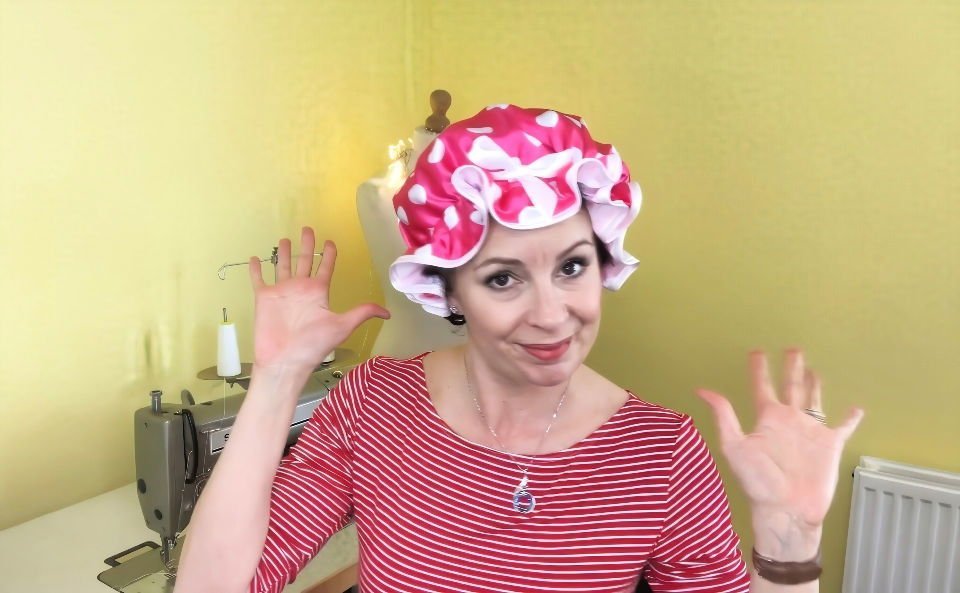
- Decorative Bow: Create a simple bow using leftover satin ribbon. I found that wider ribbon is much easier to work with. Glue or stitch it onto your cap for a polished, finished look.
Once I finished these steps, I had a shower cap that was unique, useful, and incredibly satisfying to create. There is a genuine sense of pride in wearing something you made yourself. Plus, these caps make for thoughtful, personalized gifts for friends and family.
Conclusion:
This DIY shower cap project reminded me how rewarding simple sewing tasks can be. I truly hope my journey inspires you to create your own. Enjoy the creative process, and remember that your imagination is the only limit!


