


Share This Article
Table of Contents
Creating a teddy bear might appear daunting if you are new to sewing, but it is much simpler than you might imagine! I will guide you through the entire process using a straightforward pattern that is ideal for those just starting out.

This tutorial draws on the personal experience I gained sewing a teddy bear for my daughter during my pregnancy. You will not only end up with a charming finished toy, but you will also enjoy the fulfillment that comes from crafting a unique, handmade gift. Let’s get started!
Advertisement
🔥 Fast & Free Download


Materials You’ll Need
Here is a list of the supplies required to construct your own teddy bear:
- Bear pattern (you may download a basic template or utilize one of the links provided below)
- Fabric: You have plenty of freedom here. While leather or sherpa are excellent choices, faux fur is particularly recommended for beginners because it does a wonderful job of masking seams.
- Scissors designed for cutting fabric
- Sewing machine (hand-stitching is a viable alternative if you lack a machine)
- Needle and thread (essential for the final assembly and details)
- Stuffing: You will need plenty of filling for the bear. Polyester fiberfill, cotton, or even upcycled scraps work perfectly well.
- Optional accessories: Consider adding eyes, a nose, or other small decorations if you want to give your bear a custom personality.
Step by Step Instructions
Discover how to assemble a DIY teddy bear by following our comprehensive, step-by-step instructions. This simple sewing guide covers everything from preparing your pattern to adding the final flourishes. It is a fantastic craft project!
Step 1: Prepare Your Pattern and Fabric
Begin by picking out your fabric. This is the creative phase where you define the look of your bear. I opted for sherpa for my creation, but if you are just learning, faux fur is often more forgiving as it conceals minor stitching errors.
Tip: If you choose a thick material like leather or sherpa, remember that the edges can become quite bulky. Trim them down carefully before you begin stitching to make the process smoother.
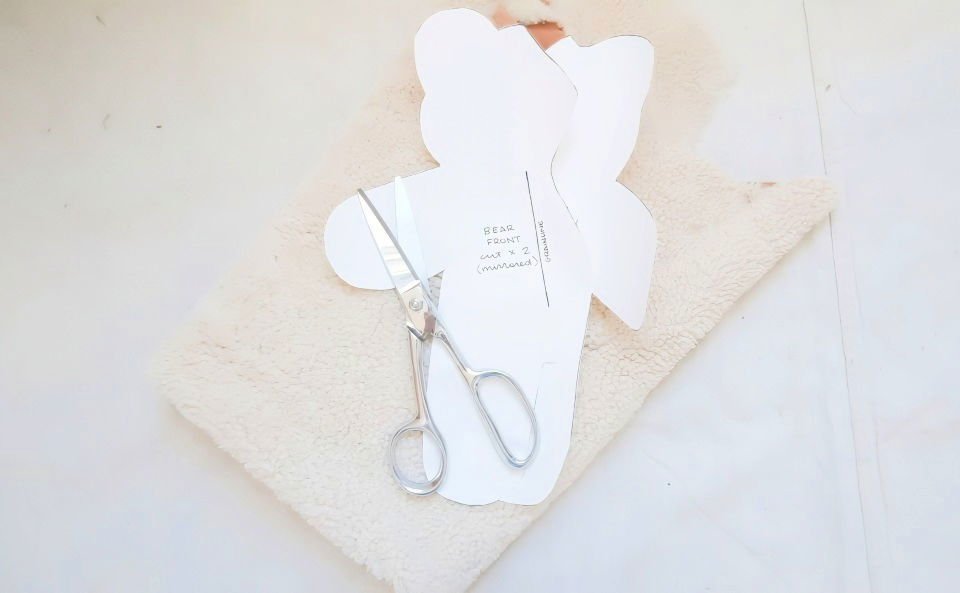
- Print out or trace your bear pattern. Spread your fabric out on a flat surface and arrange the pattern pieces. Make sure to mirror your pieces while cutting so that you have matching sides for the front and back of the bear.
- Carefully snip out the front and back sections. Maintaining symmetry during this stage is crucial for achieving a clean, professional look.
Step 2: Sew the Front and Back Pieces
Now, it is time to start stitching the components together!
- Place the front pattern pieces with the right sides facing each other—the side you want to be visible on the finished product should be on the inside.
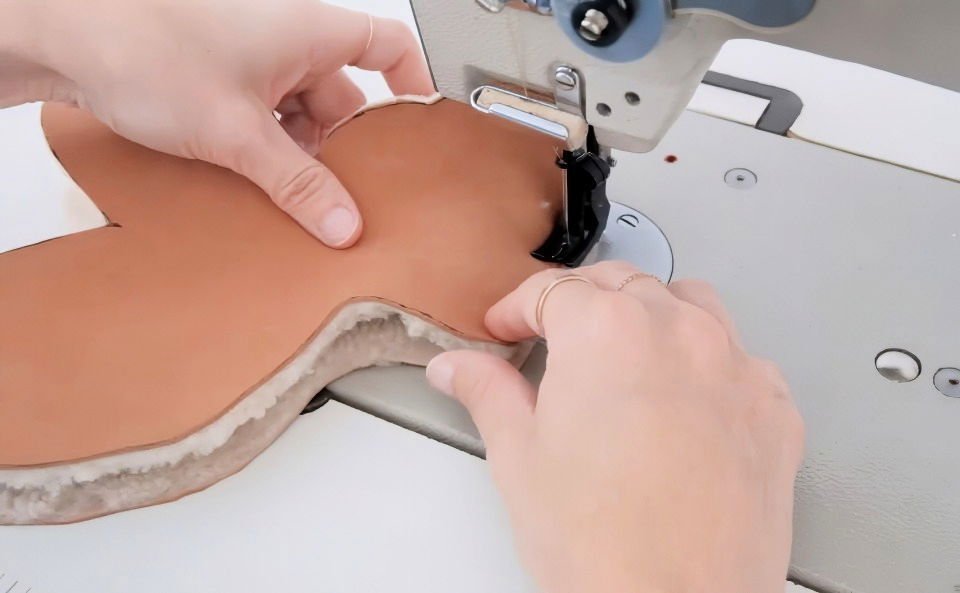
- Stitch along the head and body, pausing at the top of the legs. Maintain a seam allowance of approximately one-quarter inch.
Working with dense materials like leather or sherpa can be slightly challenging. Move at a measured pace and trim away any excessive bulk to ensure the seam remains manageable.
- Note: You do not need a specialized machine for this task. A standard home sewing machine will perform perfectly, provided you operate it slowly when dealing with thicker textile layers.
Step 3: Sew the Back Pieces and Leave an Opening
- Next, arrange the rear pattern pieces with their right sides touching.
- Stitch around the perimeter, but be sure to leave a gap of about 3 to 4 inches along the stomach. This opening is vital, as it allows you to invert the fabric and insert the stuffing later.
For convenience, stitch from the top of the head down to just above the belly, then leave your gap before resuming the stitch from the lower belly down to the legs.
Step 4: Join the Front and Back
Once you have finished stitching the front and back sections individually, you are ready to unite them!
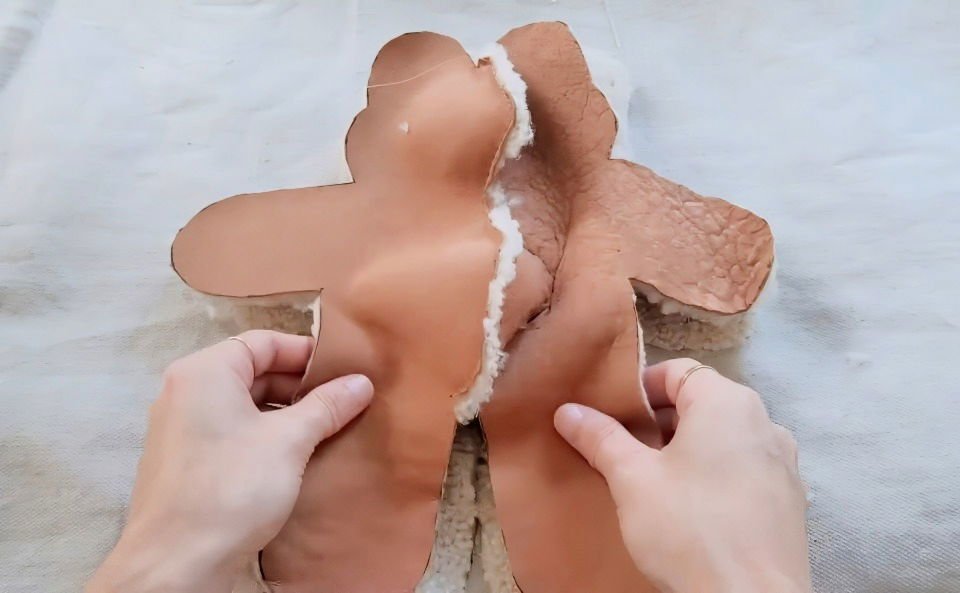
- Position the front and back pieces with their right sides together. Secure them with pins to prevent the fabric from sliding while you sew.
- Carefully stitch around the entire shape of the bear, keeping to that quarter-inch seam allowance. This stage requires patience, particularly when navigating the curves of the ears, arms, and legs. Maintain a slow, steady speed for the best results!
Step 5: Turn and Stuff the Bear
With the stitching complete, it is time to invert your bear. Use the opening you left in the back for this step.
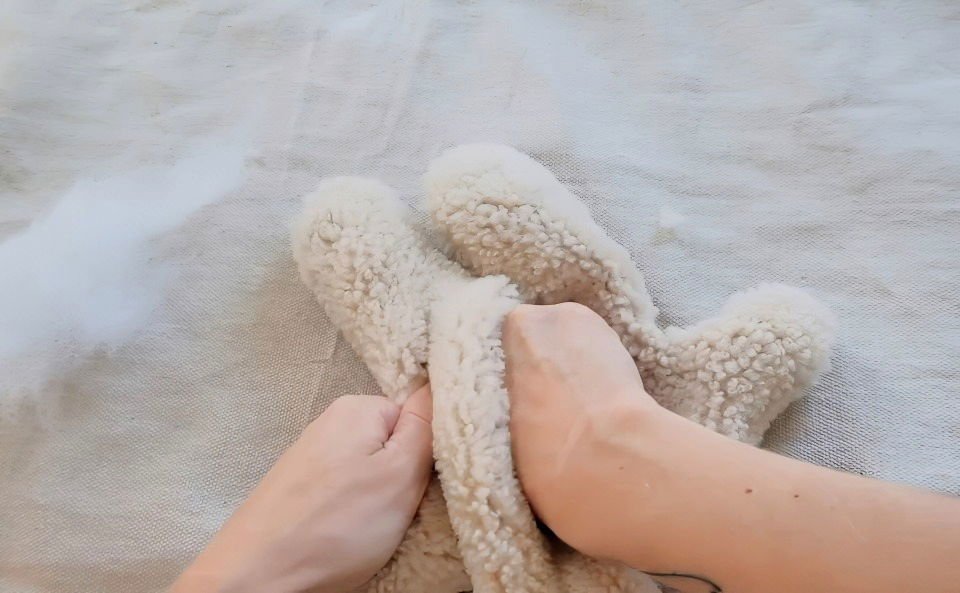
- Gently work the fabric through the opening until the bear is right-side out.
- Now that the bear is turned, begin adding your stuffing. Distribute the filling evenly until the bear reaches your desired level of firmness.
Optional: If you want better definition, stuff the limbs first and sew a straight line across the joints. This creates more distinct arms and legs, though this is purely a matter of personal preference.
Step 6: Add Facial Features and Accessories
It is best to attach facial details or decorations before you completely seal the bear.
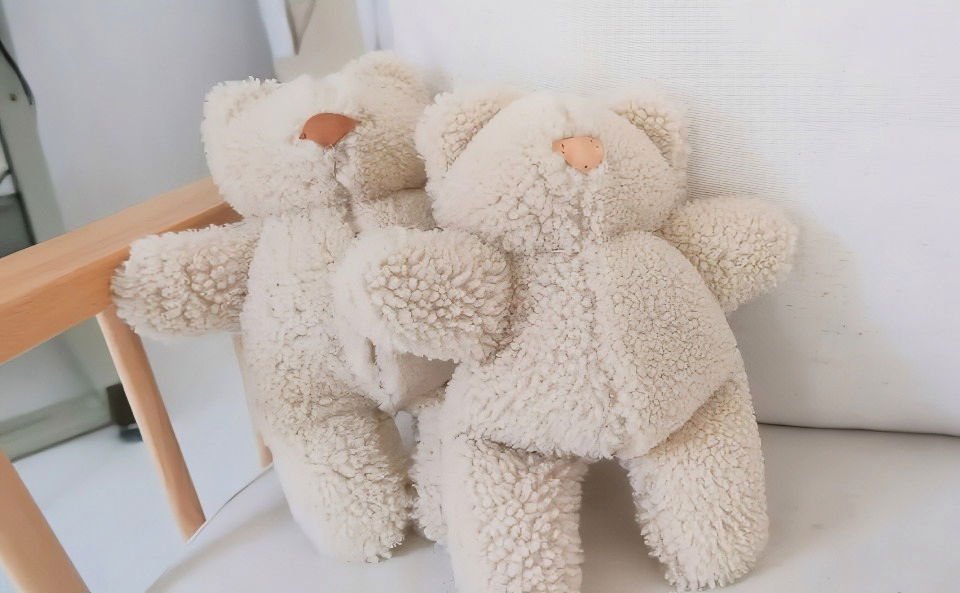
- I created a simple nose from leather by snipping a tiny triangle from the same material used for the body. You can either stitch or glue this in place.
- You might also incorporate eyes (plastic safety eyes or stitched details) or embroider a small smile. Feel free to use your imagination to customize the face as you see fit!
Step 7: Close the Opening
Once your bear is filled and decorated, it is time to seal the gap in the back.
- Use a needle and thread to hand-stitch the opening closed. Ensure you tie a secure knot at the end so the seam stays closed over time.
- If you desire a more sculpted look, particularly around the neck and head, tie a piece of yarn around the neck area. This cinches the fabric to emphasize the head. If you used faux fur, the yarn will be hidden within the pile.
Personalization Ideas
Customizing your DIY teddy bear makes it a truly unique treasure. Here are a few creative ways to add your own personal flair:
Embellishments
- Embroidery: Stitch a name, initials, or a date onto the bear using an embroidery machine or by hand.
- Buttons and Beads: Use colorful items to create distinct eyes, noses, or patterns across the body.
- Fabric Paint: Apply non-toxic, child-safe fabric paint to add drawings or messages to the bear’s surface.
Sentimental Touches
- Old Clothing: Repurpose fabric from cherished items, like an infant blanket or a favorite shirt, to create a keepsake bear.
- Memory Bears: Use pieces of clothing from a loved one to create a memory bear, which serves as a beautiful tribute.
Accessories
- Clothing: Craft miniature garments like dresses, shirts, or trousers to give your bear a unique style.
- Hats and Scarves: Use knitting or crochet to make tiny accessories that keep your bear cozy.
- Jewelry: Add small necklaces or bracelets, ensuring they are attached firmly so they don’t pose a choking risk.
Custom Features
- Unique Patterns: Mix and match various fabric textures and prints to build a one-of-a-kind toy.
- Personal Messages: Tuck a small, handwritten note inside the bear before closing it up for a heartfelt surprise.
Safety Considerations
- Child-Safe Materials: Always use non-toxic, safe materials suitable for children and steer clear of small, swallowable items.
- Secure Attachments: Double-check that all embellishments are firmly attached to avoid any coming loose.
Final Touches
- Scented Bears: Infuse the stuffing with a few drops of essential oil, such as lavender, for a soothing aroma.
- Softness: Select premium stuffing to ensure the final product is as huggable as possible.
By using these personalization ideas, you can craft a bear that is not only original but also deeply meaningful, making it a perfect gift or a long-lasting keepsake.
Troubleshooting Common Issues
While making a DIY teddy bear is usually a fun experience, you may occasionally run into problems. Here is how to resolve them:
Uneven Stitching
- Problem: Your stitches look inconsistent, making the bear appear slightly messy.
- Solution: Practice is key. Aim for small, uniform stitches and use a fabric marker to draw a guide line if necessary to keep your needlework straight.
Stuffing Lumps
- Problem: The bear feels lumpy or uneven.
- Solution: Add the stuffing in small increments, ensuring it reaches all the tight spots like the tips of the arms and legs. A pencil or a chopstick is a great tool for pushing the filling into place.
Loose Parts
- Problem: The face features or accessories are coming off.
- Solution: Ensure these items are stitched on tightly with strong thread. You can add a dab of fabric glue under the stitching for extra security.
Fabric Fraying
- Problem: The fabric edges are starting to unravel.
- Solution: Use pinking shears to cut your fabric; the zigzag edge limits fraying. You can also apply a fabric sealant or “fray check” to the raw edges.
Misaligned Pieces
- Problem: The body parts do not line up as they should.
- Solution: Always pin your pieces securely before sewing. Also, verify that your pattern pieces were cut with precision before starting.
Difficulty Turning Fabric
- Problem: Inverting small parts of the bear is a struggle.
- Solution: Use a blunt tool like a chopstick or a dedicated turning tool to assist. Be careful not to apply too much pressure and tear the material.
Visible Seams
- Problem: The stitching is noticeable from the outside.
- Solution: Switch to a ladder stitch or an invisible stitch when closing the final opening for a clean, hidden finish.
Uneven Limbs
- Problem: The arms or legs appear mismatched in length or position.
- Solution: Measure and mark your limb placement on the fabric before you begin sewing to ensure they are perfectly balanced.
Overstuffed or Understuffed
- Problem: The bear is too rigid or too flimsy.
- Solution: Aim for a happy medium. The bear should hold its shape firmly but remain soft enough for cuddling; adjust the stuffing volume until it feels right.
By troubleshooting these common issues, you can ensure your handmade teddy bear looks exactly the way you envisioned.
FAQs About DIY Teddy Bear
Here are answers to frequently asked questions regarding DIY teddy bear projects, covering everything from materials to construction tips.
1. Can I wash my DIY teddy bear?
Yes, but hand washing is recommended to protect the fabric and delicate seams. Use mild soap and cool water, then allow it to air dry fully.
2. How long does it take to make a teddy bear?
This depends on your sewing experience and the complexity of the design. Beginners might need a few days, while experienced sewers can finish a simple bear in a few hours.
3. What type of stuffing is best for a teddy bear?
Polyester fiberfill is the industry standard because it is affordable, hypoallergenic, and machine washable. Wool, cotton, or fabric scraps are also acceptable alternatives.
4. Can I personalize my teddy bear?
Absolutely! You can choose custom fabrics, add embroidery, or include accessories like hats or clothing to make your bear truly unique.
5. Can I use recycled materials to make a teddy bear?
Yes, repurposing old blankets, towels, or clothing is a wonderful way to give new life to old fabrics and create a sentimental gift.
Final Touches and Enjoy!
And there you have it—a completed, handmade teddy bear! Whether you crafted it for yourself or as a gift for someone special, it is bound to bring a smile to anyone’s face. This project is a wonderful way to explore different fabrics, practice your stitching, and get creative with the finishing details. Do not worry if it is not absolutely perfect; the charm of any handmade item is in its unique character!
If you feel inspired, you can even craft additional clothes or accessories for your new bear. When I finished my own bear, the final result was lovely, and seeing it in my daughter’s hands was an incredibly rewarding experience.
Enjoy the process of sewing your own teddy bear, and feel free to add your own personal flair to make it truly yours!


