


Table of Contents
Acquiring the ability to perform a how to slip stitch in crochet is an essential technique that unlocks numerous artistic opportunities. This method is both straightforward and adaptable, making it a vital component of any crafter’s repertoire. This manual provides detailed, sequential directions on how to slip stitch in crochet, ensuring a smooth learning experience for everyone. With a bit of dedication, you will become proficient in this method very quickly.
The crochet slip stitch is frequently employed for connecting rounds, joining seams, and adding decorative flourishes. Whether you are attaching separate elements or refining a border, understanding how to slip stitch crochet will elevate the quality of your handiwork. Our guidelines are precise and thorough, facilitating easy comprehension and execution. Are you prepared to begin? Continue reading to explore every phase of perfecting the slip stitch crochet technique.

As the most basic maneuver in the craft, slip stitch crochet possesses a fascinating legacy intertwined with the growth of the art form. While its exact roots remain a mystery, it likely originated in regions like China, South America, or Arabia. By the 1500s, it had transitioned into the recognizable version used across Europe today.
- Historical Foundations: The earliest documented instances of slip stitch crochet appeared in Europe, where the method produced a sturdy, compact textile. This durability made it perfect for creating utilitarian goods such as baskets and pouches. Furthermore, the stitch played a role in lace production in France and Italy, where it was referred to as “chain lace” or “nun’s work.”
- Victorian-Era Resurgence: Crochet experienced a significant boom during the 1800s, particularly in Ireland, serving as a vital source of revenue throughout the potato famine. The slip stitch was a cornerstone of complex Irish lace, a luxury item that was highly prized globally.
- The Modern Age: Throughout the 20th century, the application of slip-stitch crochet continued to expand. It became a standard in household crafting, used for everything from garments to blankets. The stitch’s flexibility paved the way for innovative styles like Bosnian crochet, which is primarily composed of slip stitches.
- Heritage and Culture: Over the centuries, slip-stitch crochet has functioned as more than a hobby; it has served as a medium for cultural storytelling. In various traditions, specific motifs and hues were used to share narratives, with the slip stitch providing the structural base for these symbolic patterns.
- Legacy and Education: Currently, there is a significant movement dedicated to maintaining the classic techniques of slip-stitch crochet. Crafters and academics are actively recording ancestral methods and distributing this knowledge via digital platforms and live classes, ensuring the craft survives for future enthusiasts.
Preparing Your Materials
Before you start practicing your stitches, ensure you have gathered the following supplies:
- Crochet hook: Select a hook size that corresponds with your chosen yarn or pattern instructions.
- Yarn: While any variety works, a medium-weight (worsted) yarn is recommended for those just starting out.
Detailed Walkthrough
Discover the process of how to slip stitch in crochet with this uncomplicated guide, designed to assist both novices and veteran makers.
Step 1: Initial Preparation
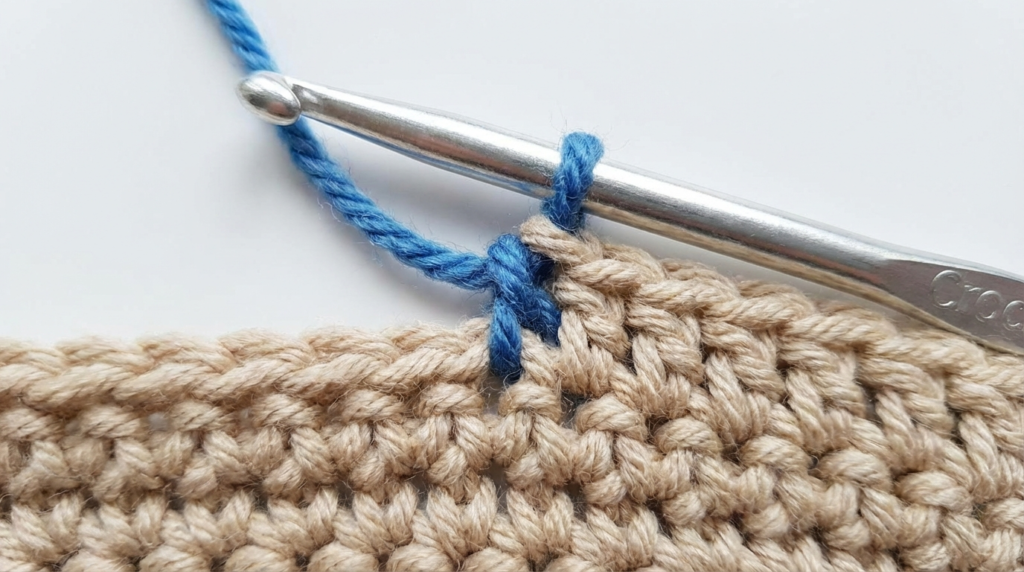
Start with your crochet hook already placed through a loop of your project. This might be a starting chain, a previously worked stitch, or any specific point indicated by your pattern for the slip stitch.
Step 2: Placing Your Hook
Carefully guide your hook into the designated stitch or gap. As you insert it, verify that two strands of yarn are resting on top of the hook. Including the loop already present, it should appear as though there are three strands draped over the hook.
Step 3: Wrapping the Yarn
Next, perform a “yarn over.” Bring your hook underneath and then behind the strand of working yarn. Make sure the yarn is caught securely in the hook’s throat so it can be moved in the following phase.
Step 4: Drawing Through the Loops
With the yarn held by the hook, softly pull it through every loop currently on the hook. This involves sliding it through the stitch you just entered as well as the original loop that was already there.
Step 5: Finishing the Movement
Once you have pulled the yarn through, a single loop should remain on your hook. Well done! You have successfully executed a slip stitch.
Persistence Leads to Proficiency
Do not be concerned if your initial attempts look a bit uneven. Just like any other craft skill, slip stitching requires repetition to master. Continue practicing, making sure to pull the yarn through all existing loops so that you consistently end with one loop on the hook.
Resolving Frequent Challenges
- Stitches are Too Constricted: If you find it difficult to work into your stitches, consider switching to a larger hook or consciously loosening your tension on the yarn.
- Varied Stitch Dimensions: To maintain a uniform appearance, try to pull the yarn through to a consistent height for every stitch you make.
Instructional Video
To view a visual demonstration of how to slip stitch, check out this useful tutorial.
Creative Applications for Slip Stitch Crochet
The slip stitch is a highly adaptable tool that can be used to build a wide range of items, from basic accessories to intricate designs. Here are several concepts that use the slip stitch in innovative ways:
- Comfortable Slip-Stitch Neckwear: A scarf made with slip stitches is a fantastic entry-level project and a quick task for experts. Use a solid shade for a timeless look or switch colors to produce stripes.
- Robust Slip Stitch Drink Coasters: Craft a collection of sturdy coasters using this technique. They are functional, simple to produce, and serve as excellent handmade presents.
- Trendy Slip Stitch Hairbands: Headbands are both stylish and useful. By using slip stitches, you can create a flexible, ribbed texture that is comfortable and chic.
- Ornamental Slip Stitch Blankets: Afghans are classic projects that can be given a modern twist with slip stitch methods. These stitches add interesting texture and visual weight to your blanket patterns.
- Practical Slip Stitch Heat Pads: Potholders are vital for any kitchen. The thick, dense fabric produced by slip stitching is perfect for insulating hands from hot surfaces.
- Slip Stitch Amigurumi: The Japanese craft of making small stuffed figures, known as amigurumi, can utilize slip stitches to achieve a very tight, clean surface finish.
- Refined Slip Stitch Table Decor: Table runners bring a touch of class to your dining area. A slip-stitch motif can provide a sophisticated aesthetic through a very basic method.
- Slip Stitch Infant Footwear: Baby booties are a beloved handmade gift. Use slip stitches to ensure a snug, cozy fit that keeps tiny feet warm.
- Customized Slip Stitch Mobile Covers: Design a bespoke phone case using slip stitches. This is a functional item that can be tailored with various colors and decorations.
- Seasonal Slip Stitch Decorations: Create holiday items like stockings, wreaths, and ornaments using slip stitches to give your seasonal decor a personalized, home-grown feel.
These concepts are merely the beginning. With slip-stitch crochet, your creative potential is limitless. Try playing with different textures, hues, and sequences to produce one-of-a-kind items that showcase your unique flair.
Complex Methods in Slip Stitch Crochet
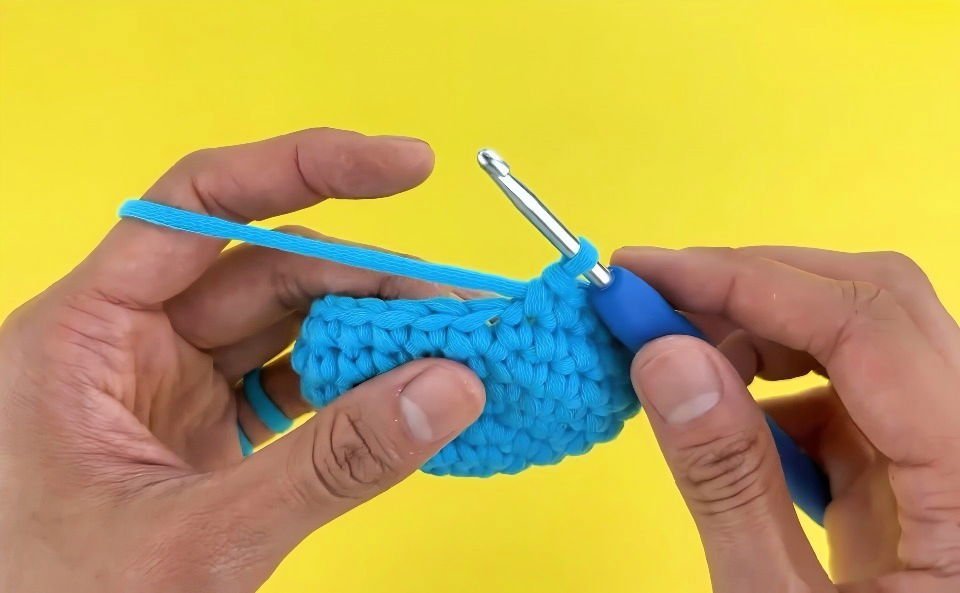
Slip stitch crochet isn’t restricted to basic tasks; it can also be used to craft highly detailed and professional patterns. Here are some sophisticated techniques to advance your skills:
- Slip Stitch Jacquard: Often referred to as mosaic crochet, this involves using slip stitches to produce multi-toned patterns. By working only into the back loops, you can create a fabric that resembles a woven textile.
- Short Row Shaping: Short rows are a strategy used to add curves or specific shapes. In slip stitch work, these can be used to create complex geometric forms or to tailor the fit of clothes.
- Surface Detailing: This method involves working slip stitches directly onto the top of a finished piece of crochet. It is a superb way to introduce new colors or textures without altering the base fabric.
- Bosnian Crochet Style: This specific tradition creates a very dense fabric using slip stitches, typically worked in continuous spirals. It results in a thick, insulating material ideal for cold-weather gear.
- Slip Stitch Openwork: By pairing slip stitches with chain spaces and skipped stitches, you can produce delicate, lace-like designs. This requires precise tension management to keep the pattern even.
- Broomstick Lace Integration: Combine slip stitches with broomstick lace for a light, airy effect. This involves using a large dowel or needle to create oversized loops, which are then anchored with slip stitches.
- Tunisian Slip Stitching: While unique, slip stitches can be integrated into Tunisian crochet to create a sturdy, knit-like surface. This is particularly helpful for items needing extra structure, like handbags.
- Intarsia Colorwork: Intarsia is used to create distinct blocks of color. With slip stitches, you can achieve very sharp boundaries between different shades, which is perfect for image-based designs.
- Overlay Texturing: This technique involves layering slip stitches over other stitches to build a raised, 3D effect. It’s an excellent way to add depth to your projects.
- Crocheted Cable Effects: You can actually replicate the look of knitted cables using slip stitches! By working around the “post” of a stitch, you can shift the direction of the fabric to create braided patterns.
Exploring these advanced methods will challenge you and broaden your abilities. Approach them with patience. As you gain confidence, you will be able to produce stunningly complex pieces.
Solving Common Troubles in Slip Stitch Crochet
While practicing slip stitch crochet, you may run into a few hurdles. Here is a troubleshooting guide to help you navigate these issues and keep your crafting journey enjoyable.
Tight Tension
A very common problem is making stitches so tight that it becomes a struggle to insert the hook for the next row. To fix this:
- Loosen your hold on both the yarn and the crochet hook.
- Switch to a larger hook size to naturally create more space in the stitches.
- Work on maintaining a steady, relaxed tension as you move along.
Wavy or Crooked Edges
If the sides of your work look uneven, it usually stems from inconsistent tension or stitch counts. To keep your edges straight:
- Always verify your stitch count at the conclusion of every row.
- Employ stitch markers to identify the very first and last stitches of a row.
- Double-check that you are placing the hook in the correct spot for every single stitch.
Connecting Rounds Without Tangles
Joining work in a circle can be difficult, particularly when trying to avoid a twisted foundation chain. For a smooth join:
- Lay your chain flat on a table before connecting to ensure it isn’t twisted.
- Use a marker in a different color to pinpoint the start of the round.
- Always join with a slip stitch into the actual first stitch, rather than the turning chain.
Transitioning Between Colors
For a professional finish, you want your color changes to be seamless. To achieve this:
- Execute the final pull-through of your last stitch using the new yarn color.
- Carry the unused yarn along the edge if you plan to switch back shortly.
- Tidy up your work by weaving in loose ends as you progress.
Correcting Errors
Mistakes are a natural part of learning. To fix a slip-up in your work:
- Carefully frog (unravel) your stitches back to the point just before the error.
- Place your hook back into the active loop.
- Resume your work, keeping a closer eye on the pattern and stitch count.
Fabric Rolling or Curling
Slip stitch fabric has a tendency to curl. To mitigate this effect:
- Try using a hook that is one size larger than what the yarn label suggests.
- Perform “blocking” on your finished item by dampening it and pinning it into the correct shape.
- Let the piece dry entirely before removing the pins.
Mastering this stitch requires time and dedication. Don’t let these minor setbacks frustrate you; instead, use them as lessons to refine your craft.
Preserving and Cleaning Slip Stitch Crochet Goods
Proper maintenance and care are crucial to keep your slip stitch crochet items looking their best. Here’s a comprehensive guide to help you care for your creations:
Washing Instructions
- Hand Wash: Gently hand wash in cool water with a mild detergent. Avoid twisting or wringing the fabric.
- Machine Wash: If machine washing is necessary, use a gentle cycle and place the item in a mesh laundry bag to prevent snagging.
Drying
- Air Dry: Lay the item flat on a clean towel, reshaping it to its original dimensions. Air drying helps maintain the shape and quality of the crochet piece.
- Avoid Heat: Do not use a tumble dryer. High heat can shrink or damage the fibers, especially if they are synthetic or delicate.
Blocking
- Wet Blocking: After washing, pin the item to a blocking mat, stretching it slightly to the desired shape. Allow it to dry completely.
- Steam Blocking: For synthetic fibers, use steam blocking. Hover a steam iron over the item without touching it, allowing the steam to penetrate the fibers.
Storing
- Flat Storage: Store crochet items flat in a cool, dry place. This prevents stretching and distortion.
- Avoid Hangers: Do not hang crochet items, as this can cause them to stretch out of shape.
Mending
- Fixing Snags: If the item gets snagged, use a crochet hook to pull the snagged loop to the wrong side of the fabric.
- Repairing Tears: For tears, use matching yarn and a darning needle to sew the tear closed, mimicking the crochet pattern as closely as possible.
Preventing Damage
- Moth Prevention: Use natural moth repellents like cedar blocks or lavender sachets to protect wool items.
- Sunlight: Keep items out of direct sunlight to prevent fading.
Refreshing the Item
- Fluffing Up: If the item becomes flattened, fluff it up by shaking gently or using a hairdryer on a cool setting.
- De-Pilling: Use a fabric shaver or a razor gently to remove any pills from the surface of the crochet item.
Care for your slip-stitch crochet items for lasting beauty and functionality. Handle gently and store properly for long-lasting warmth and beauty.
FAQs About Free Slip Stitch Crochet Patterns
What is a Slip Stitch in Crochet?
A slip stitch is one of the basic stitches in crochet, often used to join pieces together or to move the yarn to a different part of your work without adding height. It’s represented by a filled dot in crochet charts and abbreviated as “sl st” in the US and “ss” in the UK.
How Do You Perform a Slip Stitch?
To make a slip stitch, insert your hook into the next stitch, yarn over, and pull through both the stitch and the loop on your hook. This creates a small and tight stitch that’s perfect for joining and finishing edges.
Can Slip Stitches Be Used to Create Fabric?
While not commonly used to create fabric due to their tight nature, slip stitches can be used for this purpose. The resulting fabric is dense and warm, known as Bosnian Crochet or shepherd’s knitting.
Why Does My Slip Stitch Crochet Look Different from the Pattern?
If your slip stitch crochet looks different, it might be due to varying tension or accidentally adding or skipping stitches. Ensure consistent tension and count your stitches carefully. Using a stitch marker can help keep track of the first stitch of each row.
How Can I Make My Slip Stitch Edges Look Neater?
For neater edges, avoid loose turning chains and try to maintain an even tension throughout your work. If the edges still look uneven, consider using a tighter turning chain or omitting it altogether, but be sure to mark the end of your rows with a stitch marker.


